
Your time is limited, but that doesn’t mean safety is any less important. DWC’s quick safety tips articles break down some of the more common workplace safety risks, which makes them easy to read or take to your next staff meeting. With tips on driving safety, working around chemicals, and slip, trip, and fall protection, you can learn a lot in 5 minutes! For more information or additional training materials, visit our free safety and health publications page.

Investigate incidents to prevent future injuries
Most workers have seen something go wrong on the job. Someone slips but catches themselves. A tool or material falls but misses a worker. Equipment fails and causes damage but no injury. Other times, someone does get hurt. Each event can provide clues about hazards that could cause another — perhaps more serious — incident.

Helmet-mounted displays: Fighter-jet technology comes to the jobsite
A firefighter crawls through zero-visibility smoke. An oil and gas worker enters an area where an invisible gas leak could turn deadly. A construction employee works near a crane’s suspended load outside their field of vision. In high-risk jobs, workers are increasingly using technology long associated with military aviation: helmet-mounted displays, or HMDs.
Ensuring crane and hoist safety: The importance of proper inspections
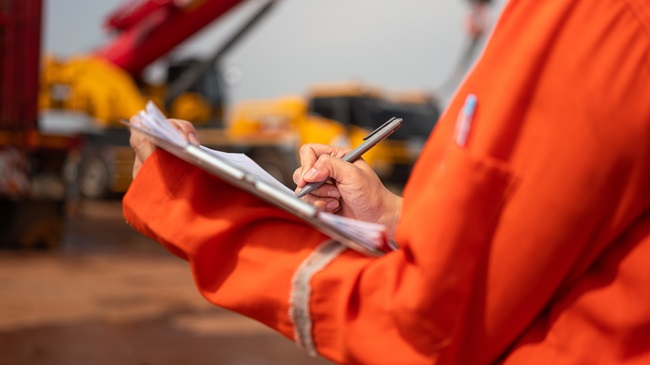
Cranes and hoists carry the heaviest, most dangerous loads on jobsites and in plants. When inspections slip, loads drop, workers get hurt, equipment breaks, and operations shut down without warning.

What welders may not see coming
Janitors and cleaning staff keep workplaces healthy and running smoothly. But the chemicals they use every day — cleaners, sanitizers, and disinfectants — can cause burns, breathing problems, and serious injuries if handled the wrong way. Most of these injuries are preventable with proper training, planning, and storage.

Blood, germs, and the law: Bloodborne pathogens affect more workplaces than you think
When most people hear 'bloodborne pathogens,' they picture a hospital. That picture tells only part of the story. OSHA's Bloodborne Pathogens Standard (29 CFR 1910.1030) applies to any workplace where workers face a reasonable chance of contact with human blood or other potentially infectious materials.

Wood dust: Small particles, serious risks
Wood dust looks harmless but it can scar lungs, irritate skin and eyes, and fuel fires or explosions. Use these tips to keep the air clean, equipment running, and your workers walking out the door healthy.
HVAC Safety: Five ways to prevent injuries on the job
A safety and health program is not just a binder on a shelf. It is a plan that helps you find and fix hazards before workers get hurt. OSHA research shows that employers who build strong safety programs see fewer injuries, lower costs, better morale, and higher productivity.
Build a safety and health program that works
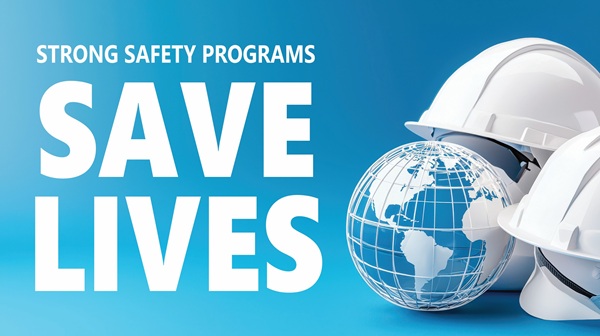
A safety and health program is not just a binder on a shelf. It is a plan that helps you find and fix hazards before workers get hurt. OSHA research shows that employers who build strong safety programs see fewer injuries, lower costs, better morale, and higher productivity.
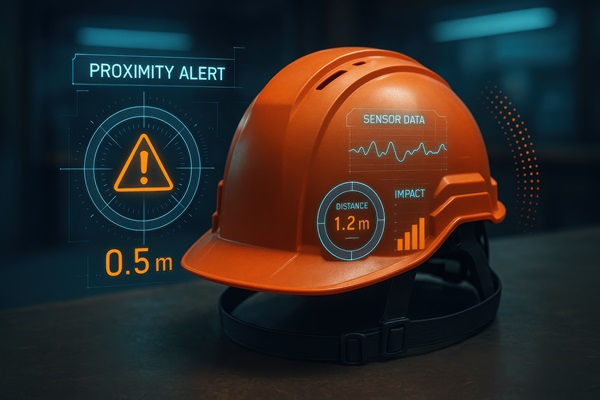
Smart devices, safer workplaces
Imagine your helmet vibrating to warn you about rising carbon monoxide levels before you sense danger. Or your wristband alerting your supervisor to signs of heat exhaustion before you feel dizzy. Connected safety devices are quietly transforming how employers identify hazards, protect workers, and respond to emergencies.

Recycling at work? Don’t let good intentions create new hazards.
More companies are expanding workplace recycling efforts beyond paper, cardboard, and plastic bottles. Many now collect batteries, fluorescent bulbs, aerosol cans, paint, pesticides, old electronics, and other materials that can’t go into regular trash.
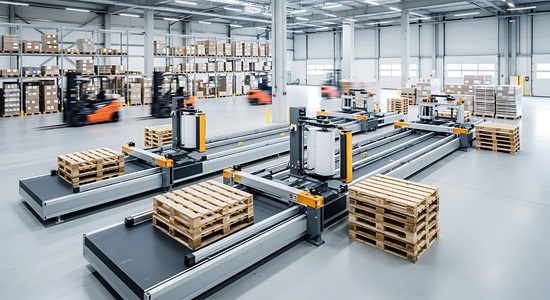
Warehouse equipment inspections that keep work moving safely
Warehouses depend on powered trucks, racks, conveyors, and dock equipment to move product quickly. When that equipment wears out or breaks down, workers get hurt, often before anyone notices a pattern. A basic inspection routine helps you catch damage and unsafe conditions before they lead to a serious injury.
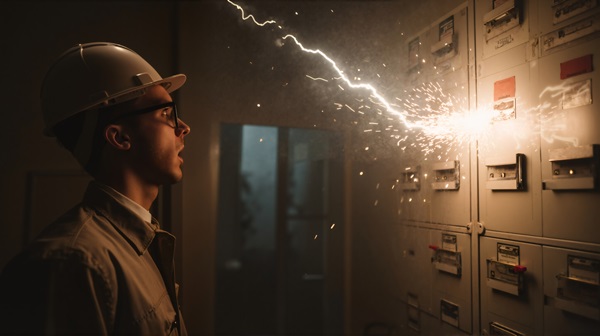
Before the blast: Arc flash safety basics every worker should know
Electricity doesn’t just shock — it can explode. In an instant, an arc flash can turn metal into shrapnel and fill a room with intense heat and pressure, even on systems many consider low voltage. An arc flash occurs when electricity breaks free from its normal path and travels through the air.
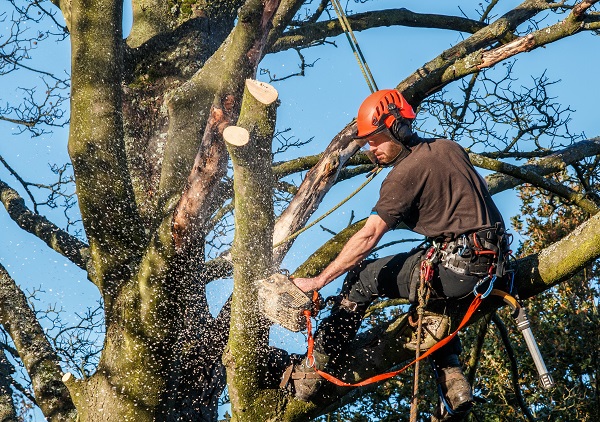
Tree trimming and removal safety: Plan the work. Protect the crew.
Tree trimming and removal ranks among the most hazardous jobs in construction and landscaping. Arborists and tree crews often work at heights, on slippery or uneven ground, and around heavy limbs, power lines, and powerful cutting tools — sometimes in bad weather or emergency situations. These hazards increase the risk of falls, electrical contact, struck by incidents, and chainsaw injuries.
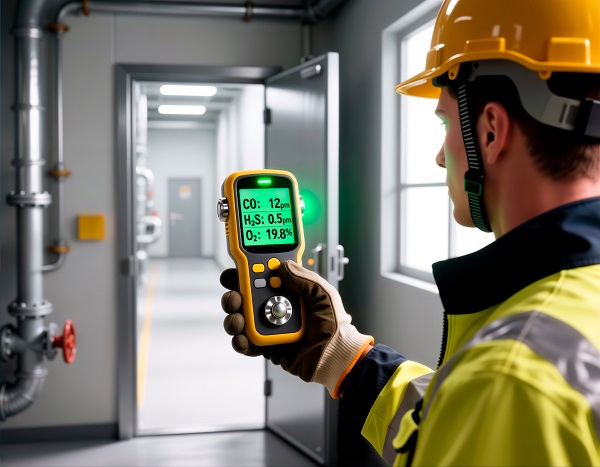
Industrial air quality: Protecting workers from hidden hazards
Clean indoor air is critical to workplace safety. In offices, warehouses, factories, schools, and healthcare facilities, poor air quality may lead to headaches, fatigue, asthma attacks, respiratory illness, chemical exposure, and in severe cases, long-term lung disease.
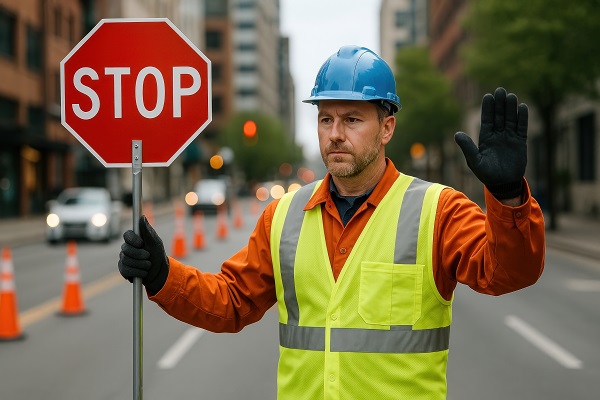
Flagger safety: Staying visible, alert, and alive in a work zone
Every year, thousands of road workers direct traffic through construction and maintenance zones. Flaggers are often the first and last line of protection between moving vehicles and the work area. They face serious risks from distracted drivers, heavy equipment, and poor visibility.
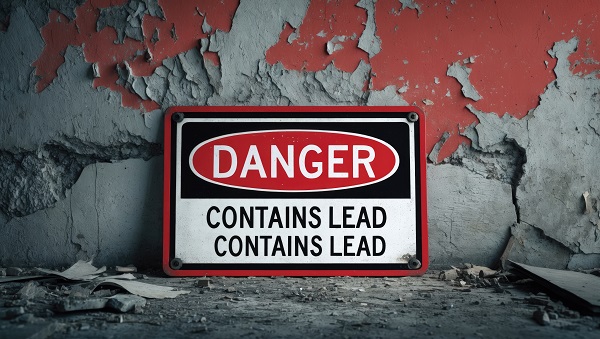
Lead exposure: Protecting workers from a hidden poison
Lead exposure threatens workers in mining, construction, manufacturing, and other industries that disturb old paint, pipes, batteries, or contaminated soil. Cutting, grinding, demolition, or using a torch to burn or flame off old lead-containing paint can release invisible lead dust and fumes.
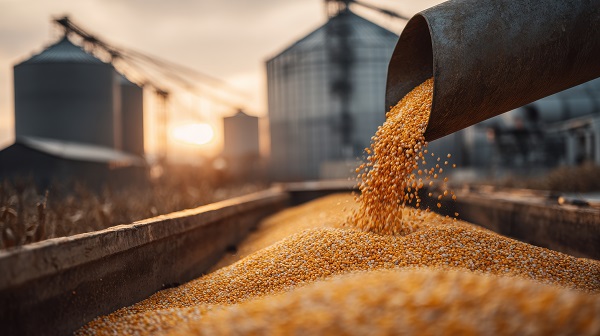
Grain dust: The hidden explosion risk in grain handling
Hotel workers help keep guests comfortable, fed, and satisfied, but the job brings safety risks. In 2023, the Bureau of Labor Statistics reported about 231,400 work-related injuries and illnesses nationwide among private accommodation and food service workers. Slips on wet floors, burns in kitchens and laundry areas, aggressive guests, late-night security issues, and exposure to chemicals or infectious materials can quickly turn a routine shift into an emergency.

From lobby to laundry: How hotel workers can stay safe
Hotel workers help keep guests comfortable, fed, and satisfied, but the job brings safety risks. In 2023, the Bureau of Labor Statistics reported about 231,400 work-related injuries and illnesses nationwide among private accommodation and food service workers. Slips on wet floors, burns in kitchens and laundry areas, aggressive guests, late-night security issues, and exposure to chemicals or infectious materials can quickly turn a routine shift into an emergency.
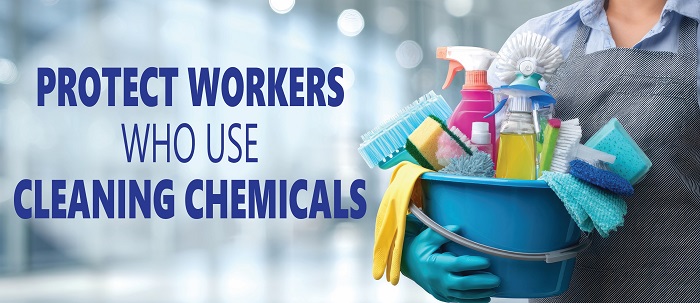
Janitorial safety: Reducing risks from cleaning chemicals
Janitors and cleaning staff keep workplaces healthy and running smoothly. But the chemicals they use every day — cleaners, sanitizers, and disinfectants — can cause burns, breathing problems, and serious injuries if handled the wrong way. Most of these injuries are preventable with proper training, planning, and storage.
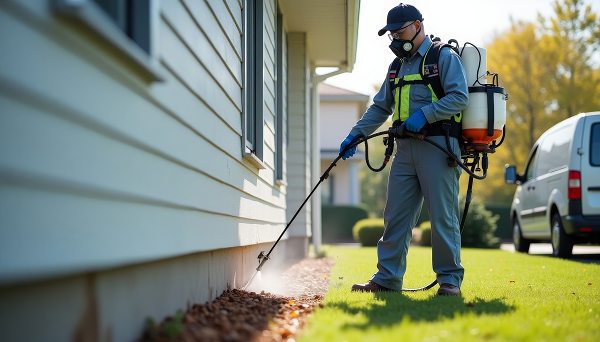
Fighting pests safely: What every pest control worker should know
For most people, pests are a source of disgust or fear, but for those who work in pest control, they’re part of the job — and sometimes, part of the danger. Whether you’re responding to rodents in a warehouse, roaches in a restaurant, or bed bugs in a hotel room, every service call brings different risks.
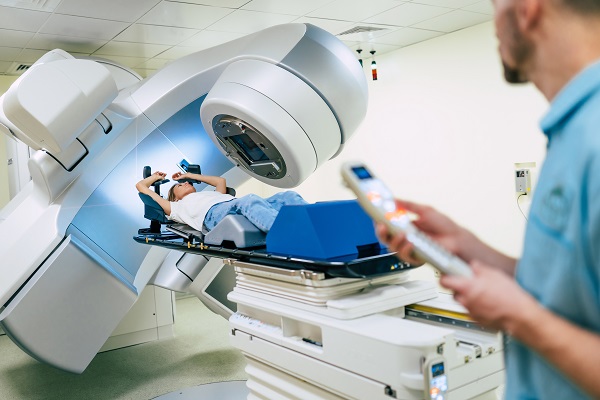
Radiation safety at work
A dental assistant places a lead apron on a patient and steps behind a shield before taking an X-ray. Airport security staff scan luggage for contraband using advanced X-ray or computed tomography scanners. A meat processing employee uses an X-ray system to detect bones or metal fragments in packaged food. While these jobs perform different tasks, they all share one goal—protecting employees from harmful radiation.
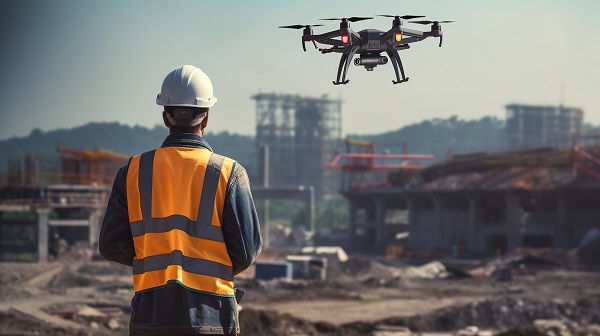
The role of drones in construction safety
Drone technology is changing construction sites across the country—making them safer, more efficient, and easier to manage. Also called unmanned aerial vehicles, drones give workers and supervisors a clear view of the job site from above without risking a fall, entering a confined space, or climbing unstable structures.
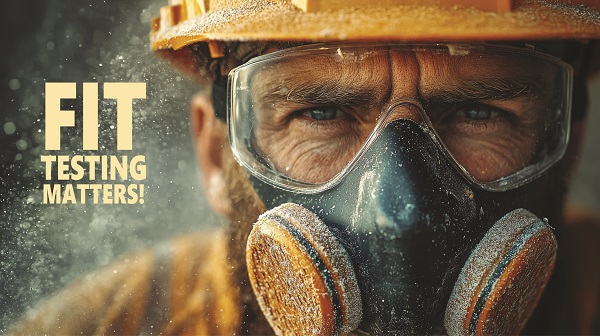
Respiratory protection in the workplace: Fit testing matters!
Breathing safely at work takes more than just wearing a respirator — it means making sure it fits your face the right way. A poor fit lets harmful dust, fumes, or vapors leak inside, lowering your protection. The Occupational Safety and Health Administration (OSHA) requires employees who wear tight-fitting respirators to complete a fit test before first use and at least once a year.
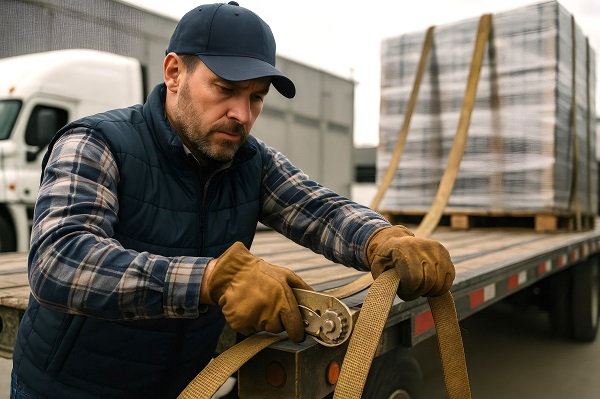
Drive safe: Secure the load
Truckers haul everything from tools and trash to heavy equipment and building materials. When loads shift or fall onto roadways, the results can be deadly. According to the National Traffic Safety Administration, unsecured loads cause more than 700 deaths each year. Taking time to properly tie down and cover cargo protects workers, drivers, and the nation’s supply chain. Follow these safety tips to make sure every load reaches its destination securely.
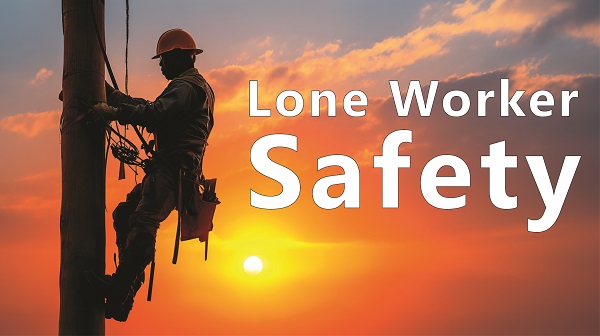
Five safety tips for lone workers
Imagine the last employee closing a quiet corner store after midnight, a utility worker repairing storm damage miles from the nearest home, or a farmhand alone in a Texas field on a hot day. These are real situations many of America’s lone workers face every day. Working alone brings independence and trust, but it also means that hidden risks — like a fall, a gas leak, or heat stroke — can quickly turn into emergencies if safety steps aren’t in place.

Artificial intelligence (AI): The new safety partner small businesses can’t afford to ignore
Running a small business often means doing more with less. While large companies may have full safety departments and big budgets, many small businesses rely on a few people to handle it all. That’s where AI is changing workplace safety. Once seen as a high-tech tool only big corporations could afford, AI now offers less-costly, practical ways to protect workers.
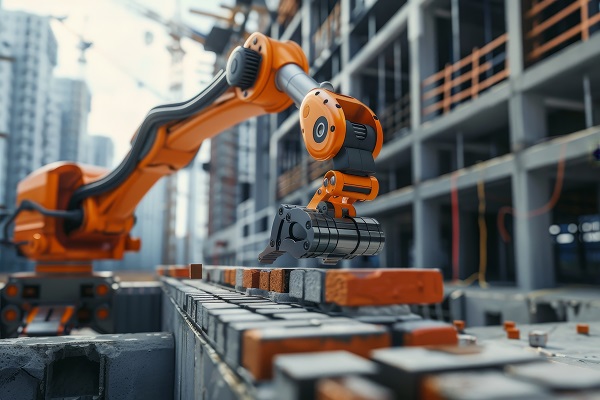
From hard hats to high-tech: How robotics protects construction workers
Walk onto a modern construction site, and alongside the familiar hard hats and heavy equipment, you might spot something new: robots. From remote-controlled demolition machines to robotic arms that lay bricks or tie rebar, these high-tech helpers are taking on the toughest tasks. More than tools, they’re becoming frontline partners in keeping workers safe.
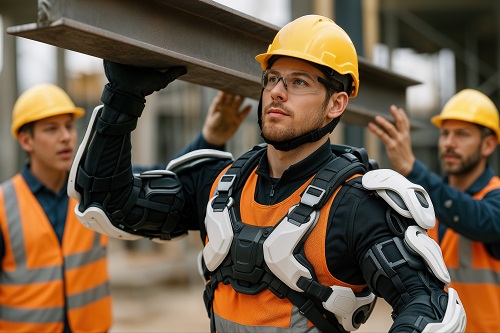
Suit up for safety: How exoskeletons fight worker fatigue and injuries
Nearly one million workers get hurt each year from lifting, reaching, and doing the same motions over and over again. These overexertion injuries — like back strains, muscle pulls, and joint pain — are some of the most common workplace problems. They cost U.S. companies billions of dollars in medical bills and lost work time. Wearable technology called exoskeletons can help prevent these injuries.
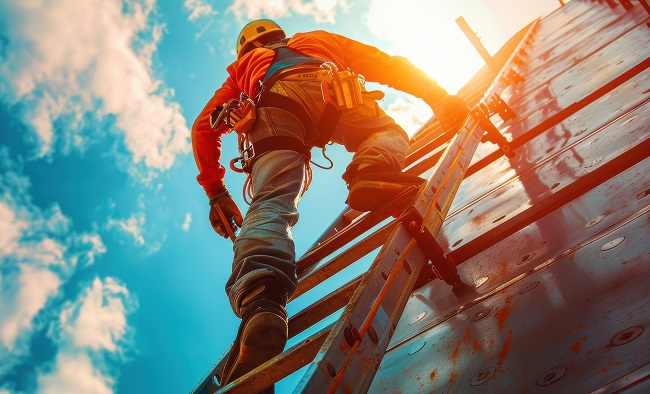
Step up to safety: Prevent ladder accidents on the job
Ladders are some of the most commonly used tools in workplaces across industries, especially in construction, maintenance, and warehousing. Yet they also cause many workplace injuries and deaths. According to the Bureau of Labor Statistics, falls from ladders contributed to more than 800 deaths and 27,000 nonfatal injuries requiring time away from work between 2016 and 2020.

Bridging the gaps in chemical burn safety
Chemical burns are a serious workplace hazard in laboratories, manufacturing, health care, and many other fields. Each year, more than 3,500 U.S. workers suffer chemical burns on the job, accounting for up to 26% of all workplace burn cases, according to the Bureau of Labor Statistics and other state health agencies.
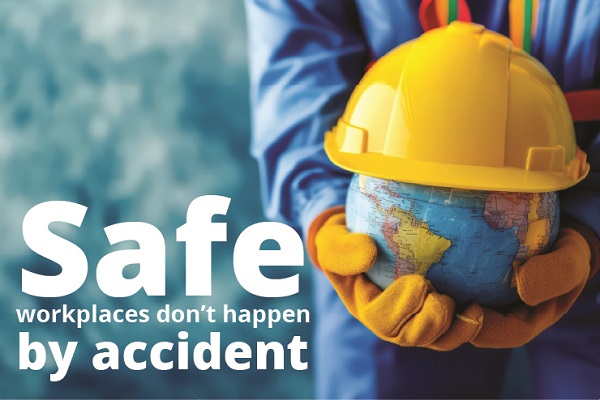
Build a strong safety and health program
Accidents can happen anywhere, but most workplace injuries and illnesses are preventable. A safe job site protects your team, keeps your business running smoothly, and shows that you care. Use these seven tips to build a safety and health program to protect your business and people.

Safety tips for Texas Gulf Coast commercial fishermen
Commercial fishing along the Texas Gulf Coast is vital to the state’s economy. It supports local jobs and puts fresh seafood on tables across the country. In 2022, Texas fishermen harvested nearly 63 million pounds of seafood worth over $169 million, according to the Texas Parks and Wildlife Department (TPWD).
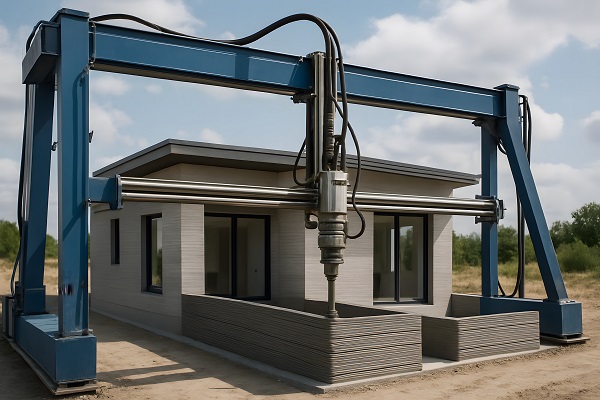
3D printing safety in construction
3D printing is like a digital sculptor. It builds objects layer by layer from a computer file. It takes a 3D model and creates a physical copy, like a traditional printer, but in three dimensions. This process, also known as additive manufacturing, builds objects by adding material instead of cutting it away like traditional sculpting.
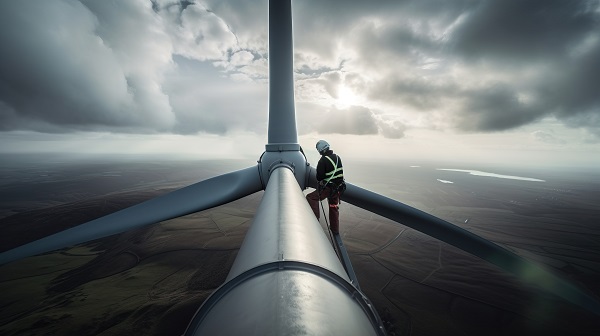
10 tips for wind turbine safety
As Texas continues to lead the nation in wind energy, thousands of skilled workers are building and maintaining the turbines that power our communities. The Lone Star State is home to more than 15,000 wind turbines, supporting over 26,000 wind energy jobs, providing clean, renewable power to millions of residents. However, building and servicing these tall, complex machines come with serious risks.
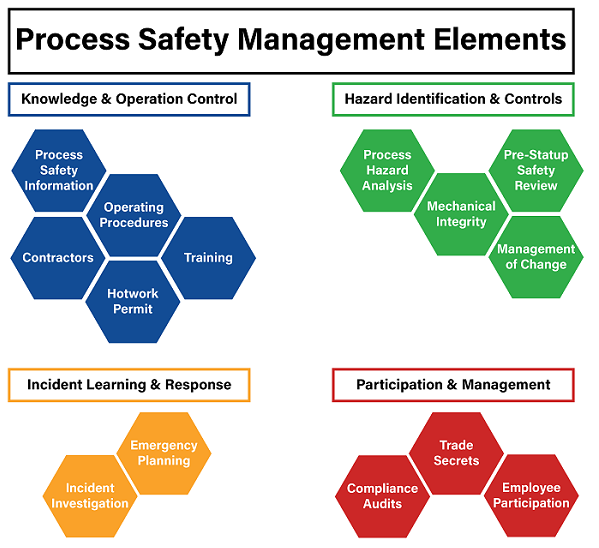
Why Process Safety Management (PSM) matters now more than ever
Process Safety Management (PSM) is a system that helps companies handle dangerous chemicals safely. It’s designed to prevent serious accidents like explosions, fires, and toxic releases by making sure the equipment is working right, and workers know what to do.
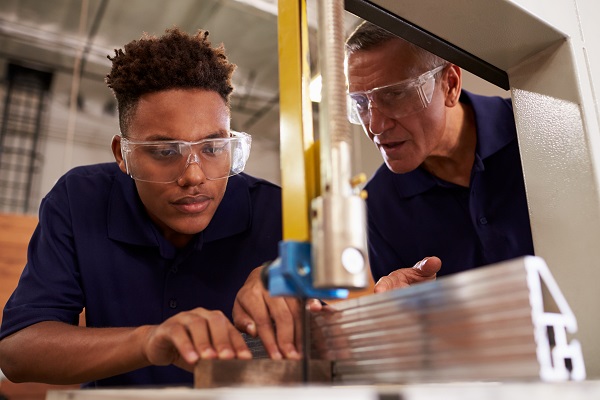
Keeping young workers safe: 10 tips for supervisors
As summer approaches, thousands of teens and young adults enter the job market, often in retail or hospitality. While they are an important part of many industries, their limited experience and training make them at greater risk for workplace injuries. New workers are up to 130% more likely to be injured on the job than their experienced counterparts, with 35% of these injuries occurring within the first year of employment.

Mental health: A hidden workplace safety hazard
Mental health is often overlooked as a workplace safety and health issue, but according to the 2024 Mind the Workplace report by Mental Health America, it’s taking a toll on many employees. Seventy-five percent of U.S. employees report high rates of work stress negatively impacting their sleep, with 60% noting effects on their relationships.

Nudge Theory: Small changes, big safety impact
Sometimes, the smallest changes can lead to the biggest improvements in workplace safety. That’s the idea behind Nudge Theory—the concept that small, adjustments can encourage safer behaviors without the need for strict rules or enforcement.

Poultry plant safety: Ways to prevent injury and illness
Poultry processing plants are vital for getting food to our tables, but the work comes with its own set of risks. Workers in these environments face dangers like slippery floors, sharp equipment, loud machinery, exposure to harmful chemicals, and airborne contaminants.

Silo safety: Protecting lives on the farm
Silos are a vital part of many farms, but they can also be dangerous if not handled safely. Hazards such as toxic gases, getting trapped in grain, and structure failures put farmers and workers at risk. Understanding these dangers and following these safe practices can help protect lives and make farm work safer for everyone.

Communication tower safety: Protecting workers in a high-risk industry
The growing demand for wireless networks has increased the need for workers who build and maintain communication towers. This job, however, comes with major risks. Studies show that cell tower workers are 10 times more likely to die on the job than other construction workers.
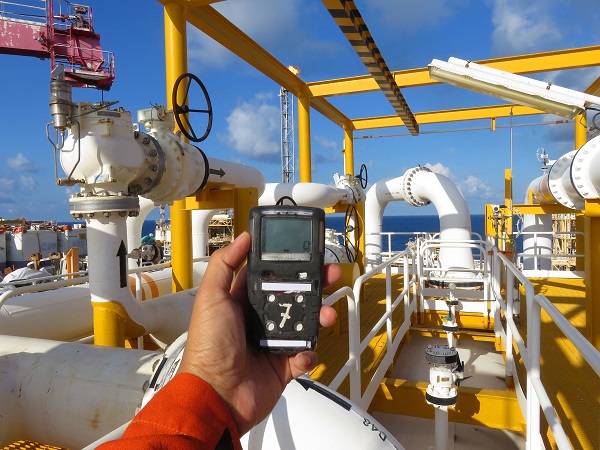
Protecting oil and gas workers from hydrogen sulfide
Hydrogen sulfide (H2S), which naturally occurs in crude oil and natural gas deposits, presents a serious hazard in the oil and gas industry. This colorless, highly toxic gas smells like rotten eggs at low concentrations but can quickly numb your sense of smell, making it difficult to detect.

The role of video analytics in construction safety
VA analyzes footage from security cameras using artificial intelligence (AI) and machine learning. Safety risks are spotted in real-time, enabling supervisors to take immediate action before injuries occur.

Film production and crew member safety
The Texas film industry has experienced major growth in recent years, with film, TV, and commercial production contributing nearly $2 billion to the state's economy in 2022 and supporting over 54,000 jobs. As cities like Austin, Dallas, and Houston become sought-after filming destinations, several large studios are under construction across the state, including in San Marcos, Bastrop, Mansfield, and Fort Worth.
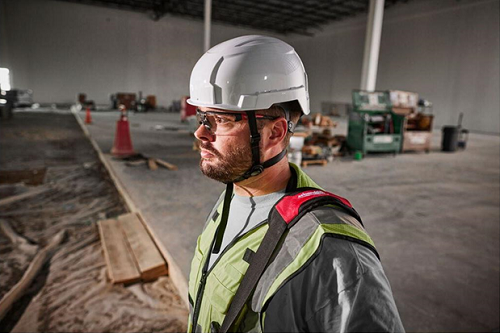
OSHA shifts from hard hats to safety helmets
OSHA has recently recommended a shift away from traditional hard hats to more modern safety helmets. While hard hats have been a staple in the industry since the 1960s, safety helmets provide better protection against a wider range of head injuries.

Workplace safety tips for Texas wineries
As we unscrew a cork this holiday season, take a moment to remember the dedicated workers behind every bottle of locally produced wine. Texas' thriving wine industry contributes $20.35 billion annually to the state's economy and generates more than 141,000 direct and indirect jobs. With job growth in wineries expected to rise, a focus on workplace safety is more vital than ever.
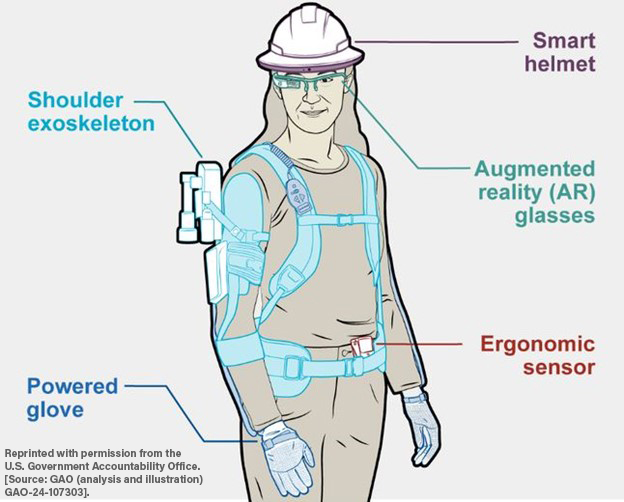
Wearable safety technology: Revolutionizing workplace safety
Wearable safety technology and SMART applications are revolutionizing workplace safety by providing real-time monitoring, instant alerts, and valuable data to prevent accidents and respond quickly to emergencies.
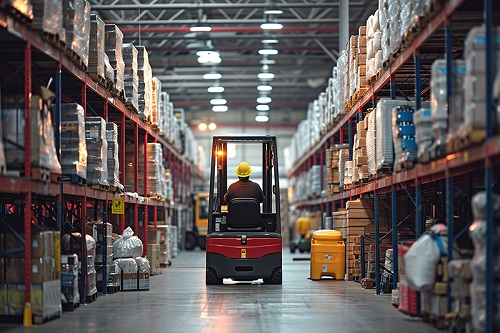
Warehouse shelving and racking safety
Warehouse workers face many hazards. Nearly 144,000 American warehouse workers experienced injuries severe enough to require time off work in 2021-2022, according to the U.S. Bureau of Labor Statistics. These incidents highlight serious risks caused by improper storage, shelving, and racking practices, which can lead to crushing injuries and death.
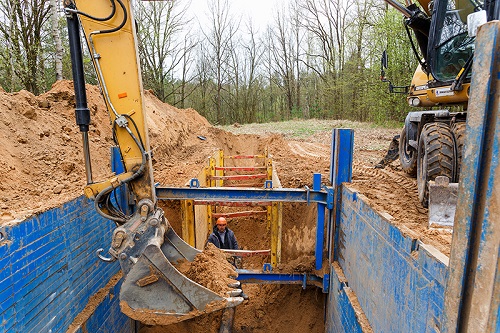
Preventing trench collapses
Trenching and excavation work poses extreme dangers to workers. Soil types, weather conditions, and many other factors -- including unforeseen weak spots from faults or ruptured water lines -- can affect a trench's stability. This can lead to a sudden and unexpected trench collapse.

Fire safety tips to protect your workplace
October is Fire Prevention Month, making it the perfect time to review and strengthen fire safety practices in your workplace.

Unlocking workplace safety: How colors and symbols in signage affect behavior
Colors and symbols on safety signs play a big role in changing how people act and making workplaces safer. Decades of research have shown that what we see affects our emotions and actions, which can help stop accidents and keep people safe.

Health and safety in the semiconductor industry
Texas is at the forefront of the semiconductor industry, with 15 existing or announced fabrication plants and component manufacturing facilities. This growth is expected to bring an estimated $61 billion in investment and 8,000 jobs to the Lone Star State, reports CNBC.

New safety technology in the workplace
The future of workplace safety is here, transforming how companies protect employees on the job. From flying robots that inspect dangerous areas to smart sensors that warn of invisible threats, modern safety technology is not just responding to accidents – it is preventing them before they happen.
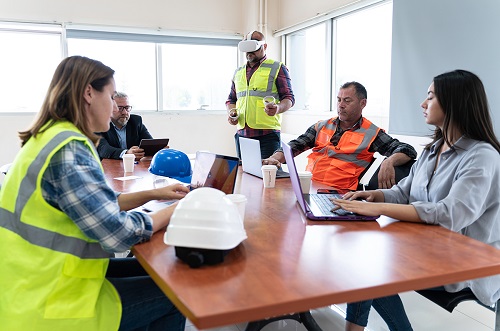
Virtual reality and safety training
Get ready for a safety revolution! Imagine practicing dangerous jobs without any real danger. That is what virtual reality (VR) safety training does. It is changing how workers learn to stay safe in all kinds of jobs, from building skyscrapers to working in hospitals.
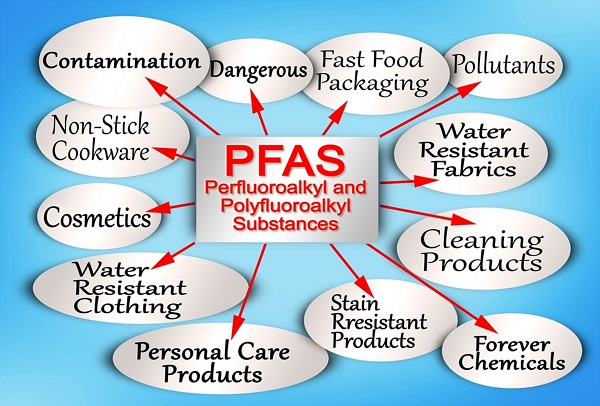
Workplace dangers of PFAS “forever chemicals”
PFAS, an abbreviation for per- and polyfluoroalkyl substances, are a group of over 12,000 human-made chemicals that have been widely used since the 1940s in products like food packaging, stain-resistant fabrics, firefighting foam, and many industrial processes. They earned the nickname “forever chemicals” because they do not break down easily and can build up in the environment and human body over time.

OSHA’s 2024 outreach initiatives
Nearly 5,500 workers in the United States died of job-related injuries in 2022, according to the Bureau of Labor Statistics. This concerning rise in workplace fatalities marks a 5.7% increase from 2021 and a 15.2% increase from 2020. To address this concern, the Occupational Safety and Health Administration (OSHA) has prioritized the following national outreach initiatives:

Seven steps to a safer office
Nearly 50,000 private-industry office and administrative workers in the United States suffered on-the-job injuries in 2020, according to data from the Bureau of Labor Statistics (BLS). The majority of these injuries (84%) resulted from one of two types of incidents classified by the BLS as either “falls, slips, and trips” or “overexertion and bodily reaction.” These types of injuries can be prevented if workers or supervisors recognize the hazards and make some simple workplace changes.
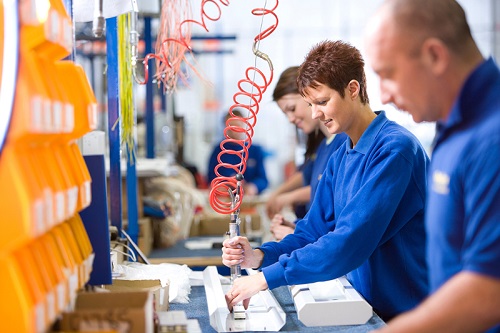
Reporting near misses
Most people have experienced a close call where they narrowly avoided injury or disaster. For employees, these moments can happen while driving for work, during a slip or fall on a construction site, or due to a distraction in high-risk fields.

Landscaping and groundskeeping safety
Keeping outdoor spaces beautiful comes with dangers for landscaping and groundskeeping crews. The U.S. Bureau of Labor Statistics reports that in 2021-22, 475 work-related deaths occurred in the landscaping services industry, and more than 22,000 workers experienced severe injuries or illnesses that required some time away from work.
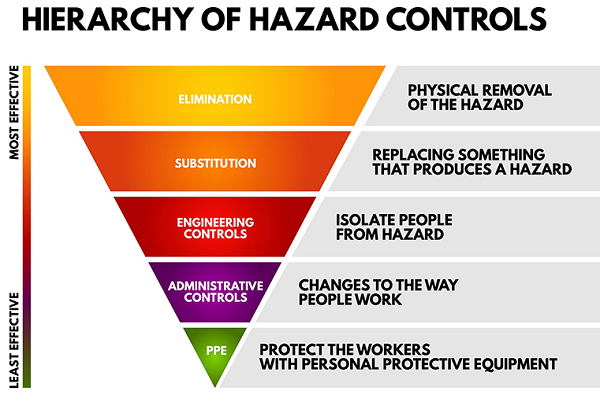
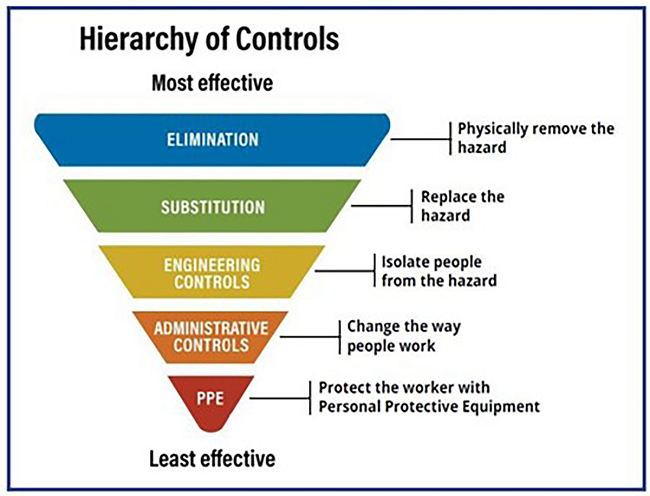
Reducing hazards with the Hierarchy of Controls
In 1950, the National Safety Council introduced the Hierarchy of Controls, a safety system aimed at reducing workplace hazards. This framework became part of government regulations when the Occupational Safety and Health Administration (OSHA) was formed in 1970.
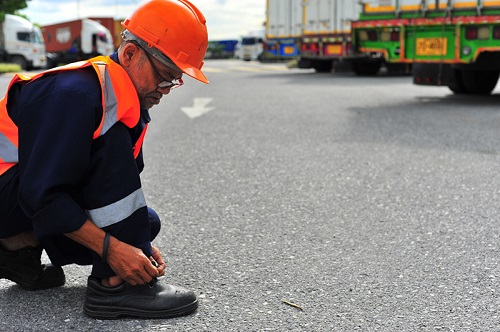
Trends in safety footwear
Advancements in technology and design are transforming safety footwear. The Occupational Safety and Health Administration (OSHA) provides guidance on foot protection, along with corresponding American National Standard Institute (ANSI) standards.
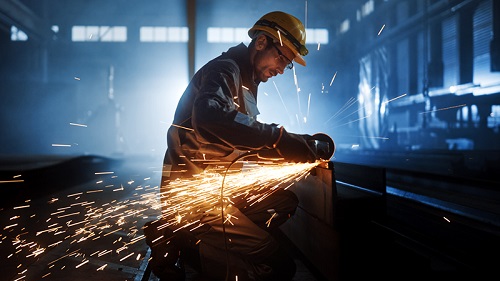
Keeping metal fabrication shops safe and OSHA-compliant
Safety in metal fabrication shops begins by making employee health and well-being a priority. According to the U.S. Bureau of Labor Statistics, more than 16,000 workers are seriously hurt and 50 are killed every year in fabricated metal product manufacturing.

Preparing for emergencies with an evacuation plan
Texas ranks among the states most impacted by natural disasters. Emergencies such as wildfires, flooding, hurricanes, tornadoes, and manmade security threats highlight the need for companies to have a well-defined evacuation plan in place before a crisis occurs.
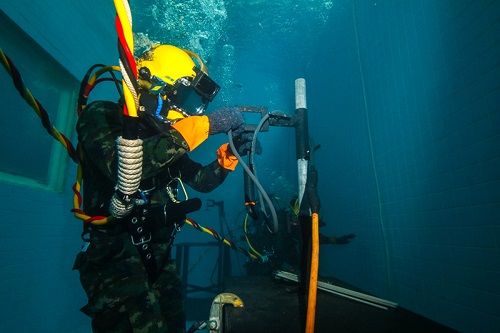
Commercial diving safety
Commercial diving is a demanding job often performed in challenging underwater environments. There are about 3,800 commercial divers in the U.S., who mainly build, maintain, and repair underwater structures such as bridges, dams, pipelines, and oil rigs. Unlike recreational diving, commercial divers often face zero visibility, contaminated water, and pressure differentials while using industrial tools. These professionals play a crucial role in the safety of underwater infrastructures while taking on many risks. These tips can help make their challenging and essential work safer.

Tips for delivery driver safety
Over 58 million parcels were shipped across the U.S. each day during 2022, according to an annual parcel shipping index published by the global shipping and mailing company Pitney Bowes Inc. This is equivalent to the nation’s 1.6 million delivery drivers transporting 58.2 million parcels per day, or 674 parcels per second.

The costs of not providing OSHA training
A survey conducted by the Rand Corporation on working conditions in the U.S., found that nearly half of employees work in hazardous environments like refineries, drilling rigs, offshore platforms, mining operations, demolition sites, and chemical plants.

Preventing carpal tunnel syndrome in the workplace
Assembly-line workers, musicians, mechanics, hair stylists, office workers, and many others often use repeated or forceful hand and wrist movements on the job. If your fingers feel numb or tingly, and those feelings don’t go away quickly or become painful, you may have carpal tunnel syndrome.

Enhancing workplace safety with blast-resistant technology
A survey conducted by the Rand Corporation on working conditions in the U.S., found that nearly half of employees work in hazardous environments like refineries, drilling rigs, offshore platforms, mining operations, demolition sites, and chemical plants.

Preventing vibration injuries in the workplace
Workplace vibrations, from loud machinery to small vibrating tools, can harm workers' health. Regular exposure can cause serious problems like muscle and bone disorders, circulation issues, and nerve damage.

Tips to prevent hearing injuries in the workplace
The National Institute for Occupational Safety and Health (NIOSH) lists job-related hearing loss as one of the leading work-related injuries in the U.S. Repeated noise can harm your hearing, but even a loud, one-time noise can cause lasting damage.

Scaffold safety in construction
Scaffolds provide a safe and efficient way to work in construction. However, according to the Bureau of Labor Statistics, unsafe scaffolding caused 3,400 injuries and 56 work-related deaths in the U.S. in 2020. Scaffold hazards have ranked in the top five most common OSHA violations since 2016.
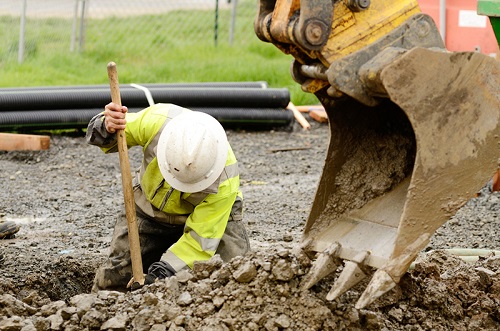
De-energize powerlines before you dig
Last October, a company that performs work in crawlspaces failed to de-energize power lines before sending a worker to dig a shallow drainage trench. The worker died by electrocution. Deaths such as these remain all too common.

Nanotechnology: Keeping small things from becoming big workplace health and safety issues
Big things are happening in the workforce with small materials called engineered nanomaterials (ENMs). These tiny, produced particles are between 1 and 100 nanometers in size. The width of a human hair is about 90,000 nanometers.

Protecting workers from crystalline silica hazards in the workplace
Crystalline silica, found naturally in the Earth's crust, is in materials like sand, stone, concrete, mortar, and asphalt. It is also found in glass, pottery, ceramics, bricks, and artificial stone. Using power tools to cut, drill, or grind these materials can release tiny particles into the air known as respirable crystalline silica (RCS).
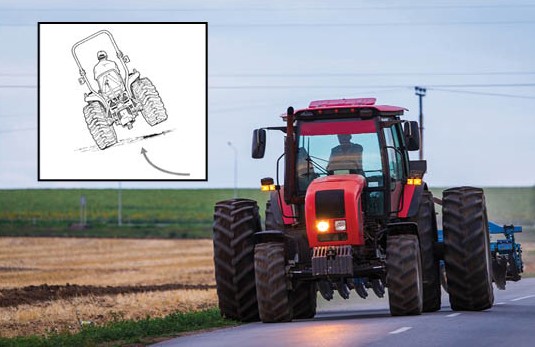
Protecting agricultural workers from tractor hazards
Agricultural workers face many hazards, including tractor overturns, runovers, and power take-off (PTO) accidents. According to the National Ag Safety Database, about one in ten operators will overturn a tractor in their lifetime.
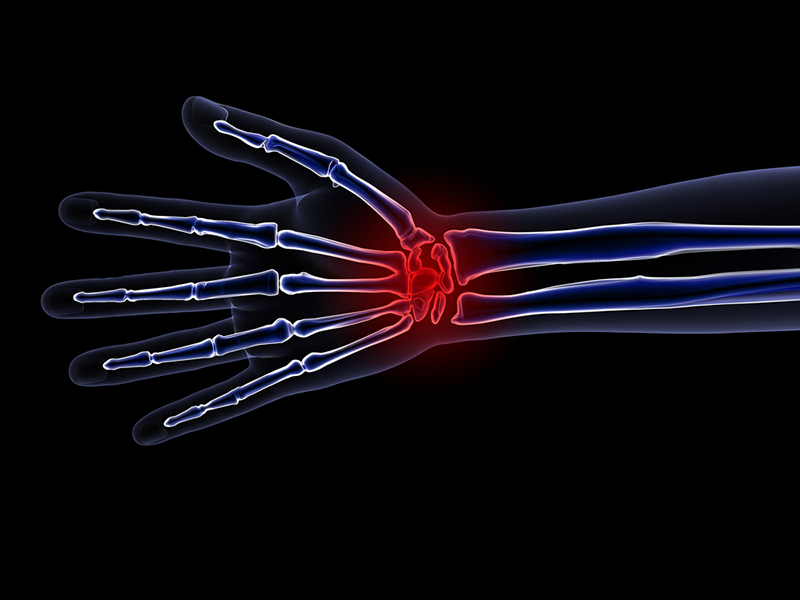
Protecting workers from repetitive stress injuries
According to the Centers for Disease Control and Prevention, job-related RSIs result in $20 billion in workers’ compensation costs and another $100 billion in lost productivity and indirect expenses every year. RSIs are caused by doing the same motion or activity again and again resulting in injury.

Working from home under OSHA
Since early 2020, many office employees have been working remotely from home either part-time or full-time.
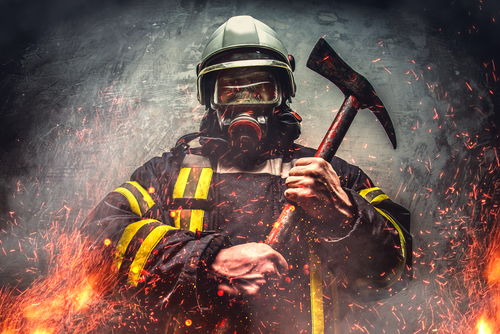
Reducing cancer risks among firefighters
Firefighters put their lives at risk to save others. Yet, according to the nonprofit Firefighter Cancer Support Network, cancer is the most dangerous threat to firefighters’ health and safety today. From 2002 to 2019, cancer caused 66% of career firefighter line-of-duty deaths. These tips can help protect firefighters from hazardous smoke, chemicals, and toxins.
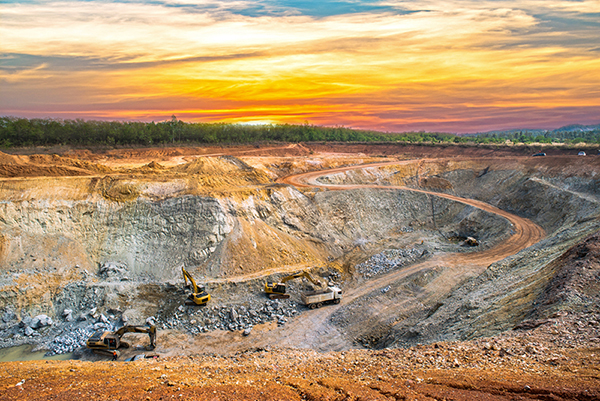
Mining safety and health
From the California gold rush to the deep-sea mining permits underway today, mining has pushed the boundaries of human exploration. Beyond its economic importance, mining has played a vital role in shaping the identity of many towns and regions, including the 91 Texas counties with recorded mine claims.
June Is National Safety Month: Hazard Recognition
Every two minutes, preventable accidents cause one death and 236 injuries, according to the National Safety Council. Identifying hazards is the foundation of a safe workplace.

June Is Trench Safety Month
Trenching and excavation work presents serious hazards to all employees involved.
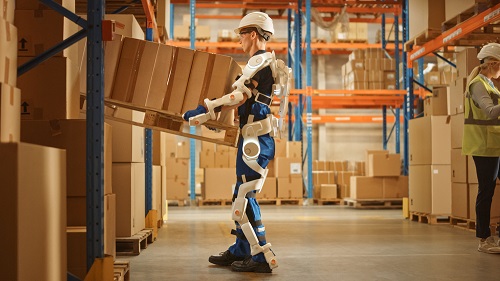
Exoskeletons and injury prevention
Visions of superheroes running in exoskeletons able to move faster, jump higher, and hit harder are a mainstay of popular culture. However, for workers who want to increase strength and avoid common workplace injuries, exoskeletons are now a reality.

OSHA hosts event to prevent falls in construction
OSHA’s 2023 National Safety Stand-Down to Prevent Falls in Construction is May 1-5. The annual safety event raises awareness of fall hazards and encourages workplace conversations about fall prevention.
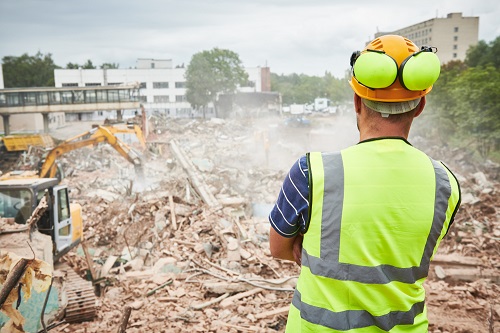
Demolition safety
OSHA defines demolition as “the dismantling, razing, destroying, or wrecking of any building or structure or any part thereof.” Many demolition hazards are like those in other construction work, but with added risks due to unknown factors in the structure’s design.

Industrial robotics and workplace safety
Robotics is in a period of rapid growth in industries like manufacturing, warehousing, petrochemical, food processing, and more. This growth has helped improve productivity and workplace safety. Yet as more “collaborative robots” – known as cobots -- interact directly with workers in shared workspaces, higher rates of serious injuries are occurring.

OSHA’s “Fatal Four” - The leading causes of death in the construction industry
The Bureau of Labor Statistics reported 5,190 fatal work injuries in the U.S. in 2021. Of those deaths, nearly 20% occurred in construction, second only to transportation and materials handling.
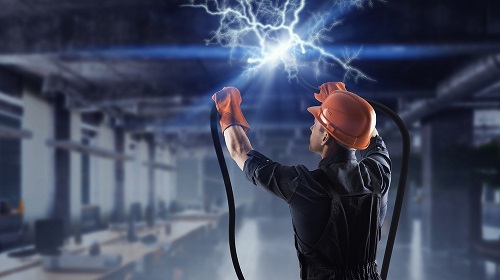
Electrical safety tips
There are electrical hazards in workplaces from offices to construction sites. Employers can help prevent injuries, deaths, and damage by training workers to recognize and avoid potential electrical dangers.

Keeping workers safe in severe weather
Keeping workers safe in severe weather According to the U.S. Bureau of Labor Statistics (BLS), about 60 employees die each year from weather-related causes. Severe weather can cause electrocution, drowning, injuries from falling objects, and more. The Occupational Safety and Health Administration (OSHA) Standard 1910.38 requires employers to have a safety plan to protect their workers.

Ergonomics for child care workers
A recent study suggests that “participatory ergonomics” may be a cost-effective way for employers to reduce musculoskeletal injuries among the child care workers. Participatory ergonomics means actively involving workers when creating changes to improve productivity and reduce risks to safety and health.

Winterize warehouse docks for safety
Loading docks are hazardous in the winter. Wet, icy conditions can reduce visibility, decrease productivity, damage equipment, and create serious slip-and-fall risks for workers. These tips on can help prevent accidents and ensure safe operations.

Holiday impaired driving prevention
Motor vehicle crashes are the leading cause of work-related deaths in the United States. Alcohol and drug use are involved in more than 40% of all fatal crashes and 39% of all work-related crashes. Unfortunately, impaired driving accidents increase during the holidays.

Prevent back pain and injury
Back injuries are among the most common workplace injuries. Occupations such as nursing, construction, and factory work can place severe demands on your back. Even routine office work can cause or worsen back pain. Fortunately, these tips can help keep your back healthy and pain-free.

OSHA’s Top 10 Safety Violations 2022
The Occupational Safety and Health Administration (OSHA) has released its list of the most frequently cited safety standards violations for 2022. The annual list, based on worksite inspections, aims to alert employers and safety professionals about common violations to help prevent them.
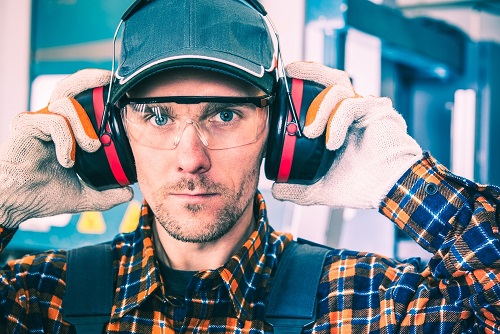
Hearing protection on the job
Each year, about 22 million U.S. workers are exposed to dangerous noise levels at work. Repeated noise can damage your hearing. Even a loud, one-time noise can cause lasting damage. Earplugs and earmuffs can cut noise by 15 to 30 decibels when correctly fitted.
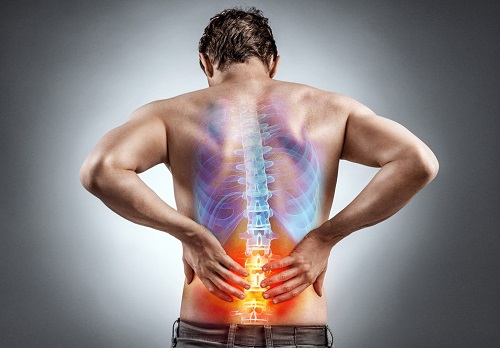
October is National Ergonomics Month
Half of Americans have a musculoskeletal disorder (MSD) – an injury to the muscles, nerves, tendons, joints, cartilage, or spine. Some risk factors for MSDs are repetitive movements, excessive vibration, awkward postures, extreme temperatures, heavy lifting, and overexertion.
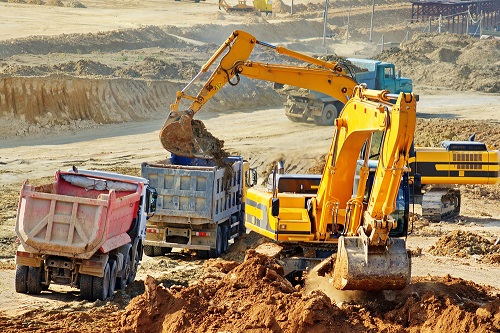
Dump truck driver safety tips
The Bureau of Labor Statistics reports that 536 dump truck-related deaths and 7,270 serious injuries occurred in the U.S between 2015 and 2020.

Alarming rise in trench-related fatalities
In response to the U.S. Department of Labor’s announcement in July of an “alarming” increase in trench and excavation deaths – 22 so far this year compared to 15 in all of 2021 – OSHA announced “enhanced nationwide enforcement and oversight” to protect workers.

Safe+Sound: Recognizing programs to improve workplace safety and health
More than 5,000 workers are killed on the job each year in the United States, and more than 3.6 million suffer a serious job-related injury or illness. The Occupational Safety and Health Administration (OSHA) encourages organizations of any size or industry to participate in Safe+Sound Week 2024, August 12-18, to recognize and improve workplace safety and health.

Scaffolding safety tips
Safety is a top concern when working on scaffolds. There were 3,400 scaffold-related workplace injuries and 52 deaths in 2020 and roughly $90 million in lost workdays and other costs.

Lasers and eye safety in the workplace
The first laser was produced in 1960 and soon after was used to heat and destroy tumors in human body tissue. Since that time, laser use has expanded into other areas of medicine, industry, construction, laboratory research, entertainment, and the military. Unfortunately, the widespread use of lasers has resulted in many workplace injuries.

Machine guarding and amputation prevention
American workers who operate and maintain machinery suffer about 18,000 amputations, lacerations, crushing injuries, abrasions, and over 800 deaths per year. Investigators often find the equipment, such as power press brakes and forging machines, lack adequate safety mechanisms.

Respiratory protection: Spotlight on the oil and gas extraction industry
The Bureau of Labor Statistics reported 134 deaths nationwide in the oil and gas extraction industry from 2011 to 2020. Among the many risks these workers face is exposure to hydrocarbon gases and vapors (HGVs) when manually opening storage tank hatches to measure or collect samples.

Protecting workers from indoor and outdoor heat hazards
Heat illness in the workplace affects thousands of indoor and outdoor workers each year and can lead to death. The Bureau of Labor Statistics reported 56 fatal job-related injuries and 2,330 illnesses requiring time away from work due to heat exposure in the United States in 2020.

Preventing repetitive stress injuries in construction
Unlike injuries from falls, electrocution, or other serious construction hazards, repetitive stress injuries – also known as musculoskeletal disorders (MSDs) – might start with only minor aches and pains. However, returning to the same task without time to recover can damage nerves, tendons, muscles, ligaments, and joints.

Prevent struck-by hazards
Struck-by incidents are a leading cause of death among construction workers, and since 1992, the leading cause of nonfatal injuries in the industry. The Occupational Safety and Health Administration (OSHA) defines struck-by incidents as those “produced by forcible contact or impact between the injured person and an object or piece of equipment.”

Preventing falls in construction
Falls are the number one cause of construction worker fatalities. They make up a third of all on-the-job deaths in the industry. Not using proper fall protection caused 401 deaths in construction in 2019, according to the most recent U.S. Bureau of Labor Statistics data

March is Workplace Eye Health Safety Month
More than 700,000 Americans injure their eyes at work each year. Most of these injuries are caused by dust, cement chips, metal slivers, or wood chips striking or scraping the eye. However, other eye injuries include blunt-force trauma from running into objects; penetration of nails, staples, or slivers of wood or metal through the eyeball; or chemical and thermal burns to one or both eyes.

Preventing hazards from unexpected chemical releases
Incidents from unexpected chemical leaks can be reduced or eliminated when companies follow the Occupational Safety and Health Administration’s (OSHA) strict guidelines on handling, using, moving, storing, and manufacturing highly hazardous chemicals (HHCs).

3D printing safety at work
3D printing creates three-dimensional objects with computers. This additive manufacturing technology has experienced widespread growth in automotive, aerospace, electronics, medical, and other consumer markets.

Lockout/tagout saves lives
Lockout/tagout (LOTO) is a safety procedure used to make sure equipment and machines are properly shut off and not able to start during maintenance or repair work. This is known as controlling hazardous energy. Equipment can store energy even after the power is turned off with a circuit breaker, switch, valve, flange, or another device.

Holiday safety concerns for delivery drivers
For the nearly 1.5 million delivery drivers across the U.S., the holiday season brings a surge of online shopping and package shipments. These steps can help employers reduce the risk to delivery drivers and ensure packages arrive without incident.

National Fire Prevention Month
Fires affect about 17,000 companies each year. A fire prevention plan can help your business avoid injuries, damages, and fines.

September is National Food Safety Education Month
Foodborne illnesses cause about 128,000 hospitalizations and 3,000 deaths in the U.S. each year. These steps can help prevent food poisoning and show others how to keep food safe.
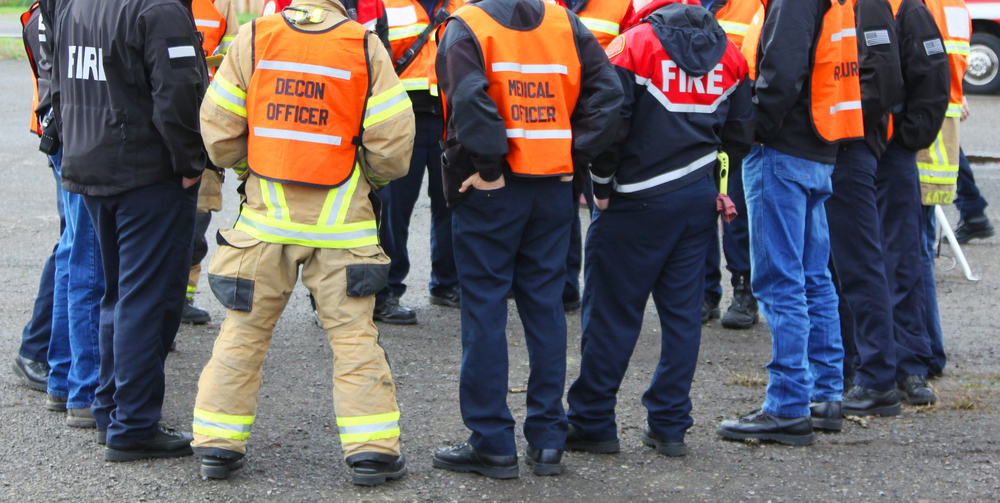
September is National Preparedness Month
Emergencies and disasters can happen unexpectedly anytime and anywhere. The Federal Emergency Management Agency (FEMA) sponsors National Preparedness Month to encourage Americans to plan for emergencies and disasters in their homes, businesses, and communities.

Back-to-school safety
For the 13.3 million transportation workers and other motorists across the United States, the start of a new school year brings a need for extra caution. Drivers need to pay special attention to the millions of children and teens crossing the streets, waiting at bus stops, and entering and exiting buses.

Keeping workers safe in the heat
Illnesses and deaths from heat exposure are climbing. From 2011 to 2019, the Bureau of Labor Statistics reported 344 deaths and 24,660 serious injuries in the U.S. linked to on-the-job environmental heat. In 2019 alone, 43 workers died, and 2,490 suffered severe heat-related illnesses.

Texas summer storm safety
Texas spans more than 268,000 square miles across 10 climate zones. Almost every weather condition is experienced here. Summer-like conditions often last from mid-April through October. Relentless heat and blistering sunshine cause drought-like conditions, while unstable air masses cause severe thunderstorms, tornadoes, and hurricanes. Advanced warning is the key to saving lives. Keep a weather alert radio to listen to weather advisories and be ready to act.
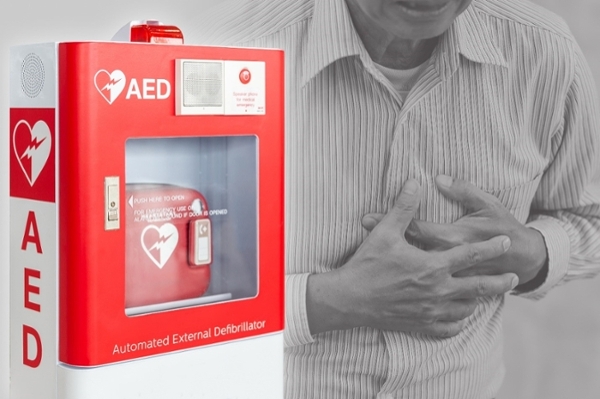
Cardiopulmonary resuscitation (CPR) and automated external defibrillators (AEDs) save lives
Cardiac arrest occurs when the heart suddenly stops beating or cannot circulate blood to the brain and other organs. Someone unconscious, unresponsive, or not breathing may be in cardiac arrest.

Making roadways safer one trailer at a time
Texas roads can be dangerous. For small companies that use trailers for business – such as lawn care workers, mobile coffee shop owners, or on-location mechanics – extra caution is needed.

Water-damaged electrical equipment and disaster recovery
Storms and floodwaters can devastate a business and its workforce. Most water-damaged equipment, even if thoroughly dried, can pose serious long-term safety and fire risks. These tips can help employers decide which equipment must be replaced and which can be reconditioned to prevent structural fires and keep employees safe.
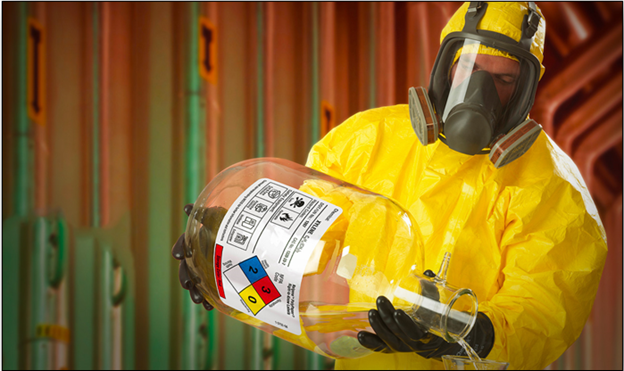
Chemical safety in the workplace
The Occupational Safety and Health Administration (OSHA) estimates that about 32 million workers in more than 3.5 million workplaces are regularly exposed to hazardous chemicals. OSHA’s Hazard Communication Standard (HCS) is an employee right-to-know law, meaning employees have the right to know about hazardous chemicals and products in the workplace and how to protect themselves from exposure.
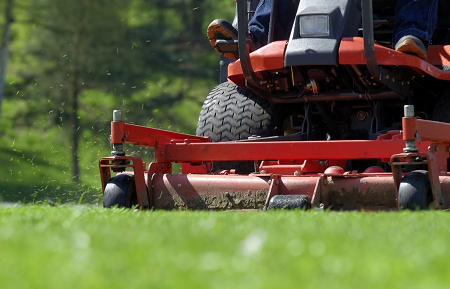
Riding lawnmower safety
The Consumer Product Safety Commission estimates that 35,000 injuries and nearly 100 deaths related to riding lawnmowers occur each year in the U.S. These accidents are mostly due to loss of stability and operators thrown from or falling under the equipment. With proper employee training, these injuries and deaths are preventable.
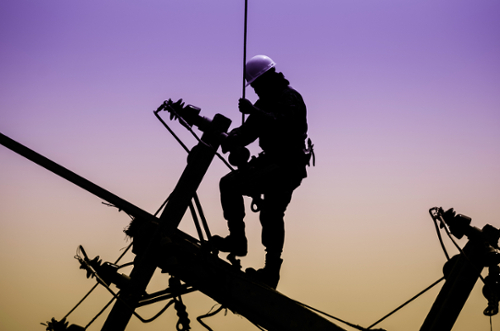
Power line safety tips
Thousands of miles of power lines deliver electricity to more than 26 million Texas customers in cities, suburbs, and rural communities. However, these power lines present serious safety hazards to workers whose equipment may come in contact with them.
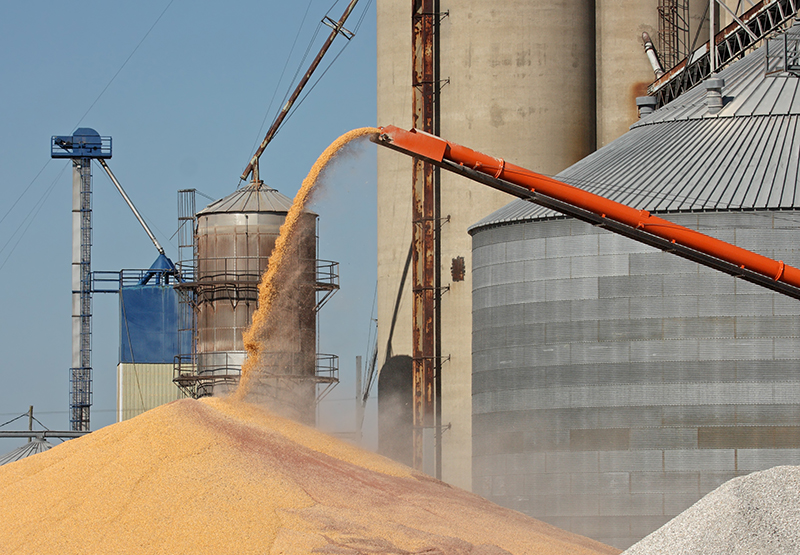
Grain handling safety
Grain workers risk suffocation, falls, entanglement, fires, explosions, electrocutions, and injuries from improperly guarded machinery. According to the Bureau of Labor Statistics, grain and oilseed milling workers in the U.S. suffered 500 work-related injuries and two deaths in 2019. These accidents often occur within seconds.
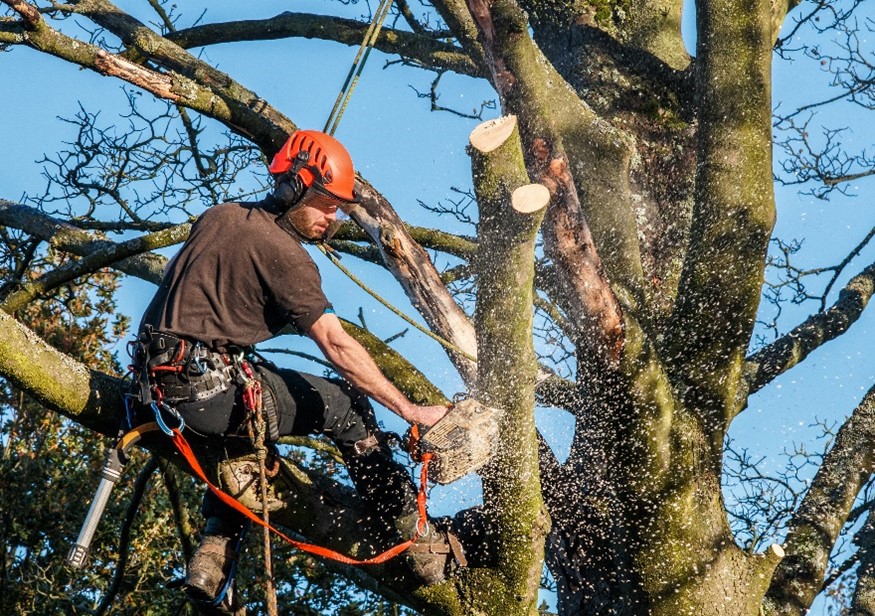
Tree trimming safety
Tree trimmers encounter heights, slippery conditions, falling limbs, sharp equipment, and electrical wires. Each year, tree care injuries account for about 80 worker deaths and at least 23,000 chainsaw injuries across the U.S. While landscape service workers comprise less than 1% of the total workforce, they account for about 3.5% of all workplace fatalities.

Ergonomics and the pandemic of work-from-home injuries
Due to coronavirus, many people left their ergonomic office workstations for less-than-ideal home office situations. Some employees turned kitchen counters and coffee tables into desks while others worked on couches or beds. This sudden move to working from home left many employees with new aches and pains from slouching, sitting too long, extending the wrists, and relying on laptop screens for remote work.
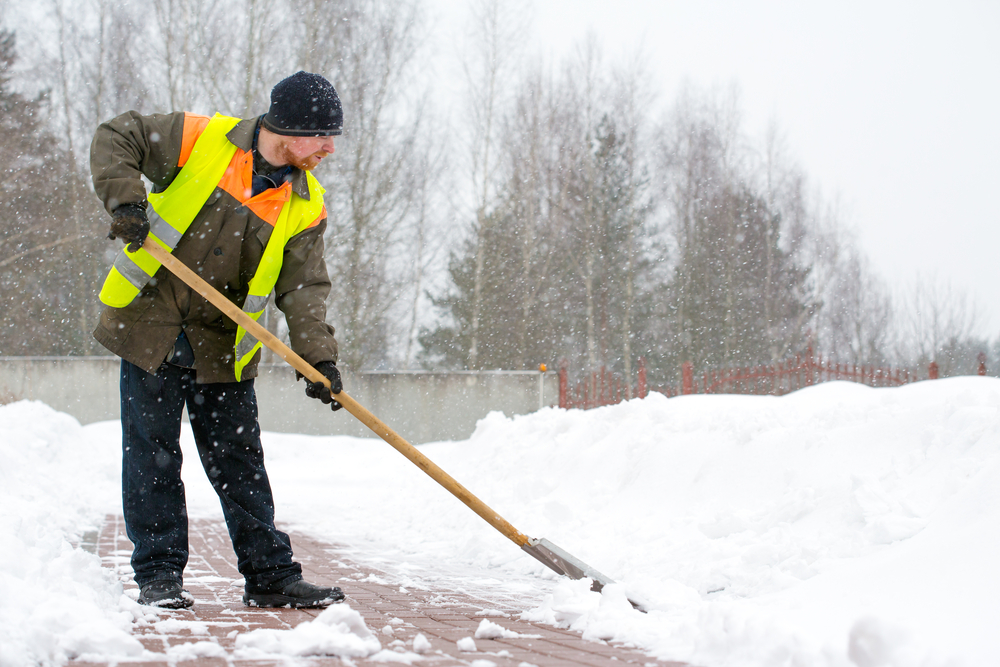
Winter safety tips for outside workers
Cold, slick, icy conditions can make job-related injuries more common. Construction, snow removal, oil and gas, utility repair, police, firefighters, postal carriers, and other outdoor workers can prevent these cold-weather-related injuries by making winter safety a priority.

Nail gun safety
Nail gun injuries are common and often severe. In the last four years across the U.S., about 25% of on-the-job nail gun injuries caused employees to miss more than two weeks of work. In 14% of these injuries employees were off the job for more than a month. Proper training and practical safety steps can help employers and employees reduce nail gun risks and prevent injuries.

Safer roads, safer employees: Say no to distracted driving
Motor vehicle crashes are the number one cause of job-related deaths, and 10 percent of those are the result of distracted driving. Employers absorb the costs and liability associated with these crashes. Workplace policies and employee education can help protect drivers and the company’s bottom line.
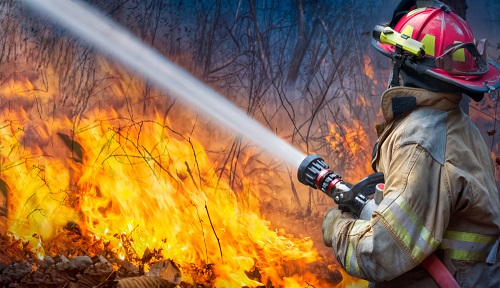
Wildfire preparedness for businesses
More than 8 million Texans -- about 32% of the state’s population -- live in a wildland-urban interface (WUI), an area where development spreads into forestland and other natural areas. Businesses in a WUI are at greater risk of experiencing losses associated with wildfires, yet only about 20% have a wildfire protection plan. These steps will help ensure your business is protected and ready for the next wildfire.
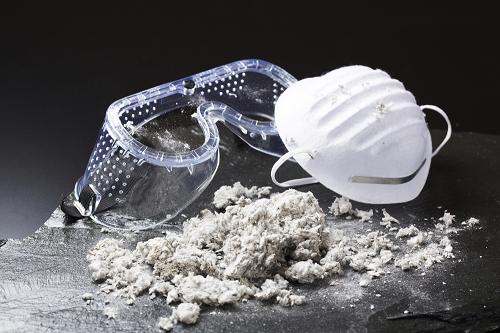
Help end asbestos-related illness
Asbestos accounts for about 10,000 deaths in the U.S. each year. Construction workers, firefighters, shipbuilders, mechanics, and custodians are among those at greatest risk for asbestos exposure. However, workers in more than 75 occupations face potential asbestos hazards.

Young workers’ injuries prompt strong enforcement by the US Department of Labor
In 2021, three young workers died, and at least 2,819 minors were illegally employed. With child labor law violations up 69% since 2018, the U.S. Department of Labor is stepping up employer outreach and enforcement actions.

Summer safety tips for outdoor workers
Five Texans died of work-related heat illnesses in 2018, according to the Bureau of Labor Statistics. Another 270 Texas employees–nearly half of whom worked in construction or excavation–reported job-related heat ailments that required them to take time away from work. With proper training and education, heat-related illness and death are preventable.

Slope It, Shore It, Shield It: Working Safely in Trenches
Excavation and trenching are among the most hazardous operations in construction

Lifting America: Safety and the Economic Impact of Forklifts and Industrial Trucks
Accidents such as collisions, tip-overs, and workers struck by forklifts are reasons why employees need to follow proper safety measures at all times.

4 Tips for tailgate talks
Tailgate talks -- sometimes called toolbox talks, crew talks, or safety briefings – are an easy way for foremen and supervisors to discuss workplace safety with employees.
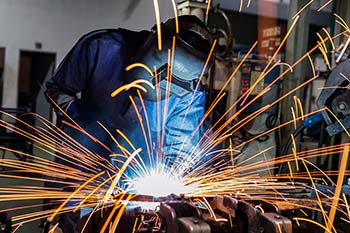
5 Tips for welding safety
Many industries rely on welding. This process of joining metals requires a heat source, a metal, filler material, and a shield from the fumes. It can be dangerous and unhealthy without proper safeguards. Here are ways to reduce injuries.

5 tips for golf cart safety in the workplace
Golf carts are a popular and easy way to move around worksites, but can also be dangerous. Most golf cart injuries happen when someone is struck by or thrown from the vehicle or involved in a rollover accident. Here are some golf cart safety tips for the workplace.
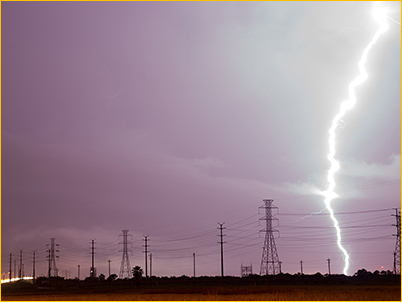
5 Tips for lightning safety
Workers whose jobs involve working outdoors or near water are at a higher risk for lightning hazards. Our tips can help.

5 Tips for 15-passenger van safety
15-passenger vans are a popular choice for moving large groups of people from one place to another. While a 15-passenger van is convenient, it does not necessarily drive like a minivan. Drivers and passengers must use caution to minimize the risks associated with these vehicles. Our prevention tips can help lower your risk on the road.
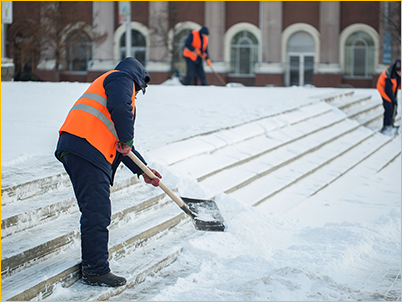
5 Tips for working in cold weather
Cold, windy, and wet weather can be dangerous to employees. The Occupational Safety and Health Administration says employers must give employees a workplace that is free from risks, including extreme cold. Our tips can help you protect employees.
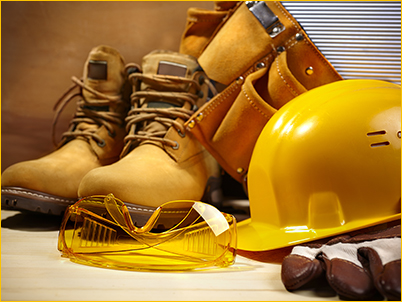
5 Tips for Using Personal Protective Equipment
Wearing PPE such as gloves, safety glasses, earplugs, and hard hats can help protect employees from workplace hazards. Here are some tips.

Warehouse safety challenges
Workers can encounter many hazards in a warehouse. Employers must provide a workplace free from known hazards that are causing, or are likely to cause, death or serious harm. Use our tips to keep warehouse workers safe.

5 tips for safe rural driving
Driving in rural areas can have different challenges than you may face in city or highway driving. Any employee who drives for work should be aware of the added dangers you can come across driving in rural areas.
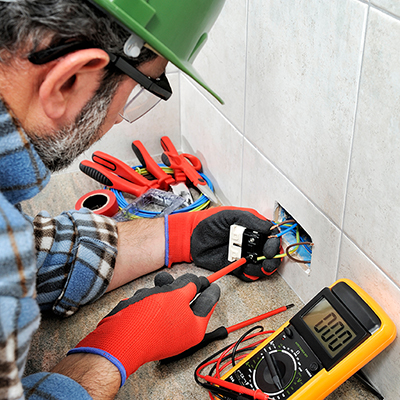
5 tips for electrical safety
Electrical hazards lurk in workplaces from offices to construction sites, but you can help prevent injuries, deaths, and damage by training employees how to recognize and avoid potential dangers. Our tips can help.
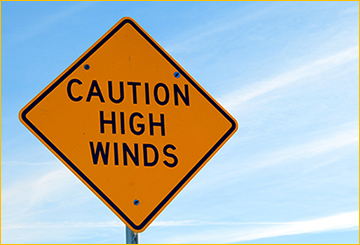
5 tips for driving in windy conditions
Windy conditions often come with rain and snowstorms, but strong, sustained winds can occur on their own, creating extra dangers for employees who drive for work. The roadway can be an extension of the workplace, and our tips can help keep your employees safe.


5 tips to recover safely from disasters
Natural disasters like Hurricane Harvey can create serious safety and health risks for employees returning to work in the storm’s aftermath. Our tips will help you stay safe while you recover from Harvey’s impact.

5 tips for heat stroke awareness
Heat stroke is the most serious heat-related illness. Knowing how to prevent, spot, and treat heat stroke is vital for a safe workplace. These tips can help.

5 tips for avoiding distracted driving
Distracted driving can pull your attention from the road and put others in danger. Knowing how to avoid distractions is vital for keeping employees safe on the road. Our tips can help.
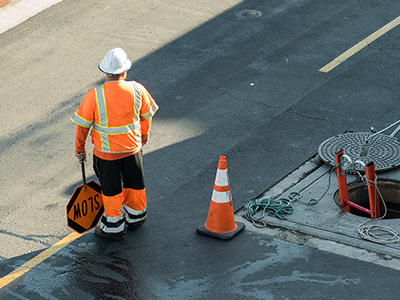
5 tips for safe driving in work zones
Consider these tips for your own safety and that of road workers.

5 tips for preventing workplace violence
While some occupations face a greater danger from workplace violence than others, it is a threat facing employees at most workplaces. These guidelines can help reduce the risk of a violent incident.
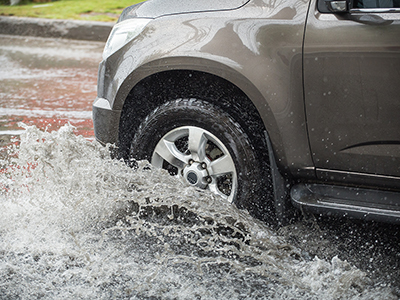
5 tips for driving in rain
Rain adds an element of danger to the already hazardous task of driving for work. Follow our tips for staying safe on wet roadways.
For more information, contact: