

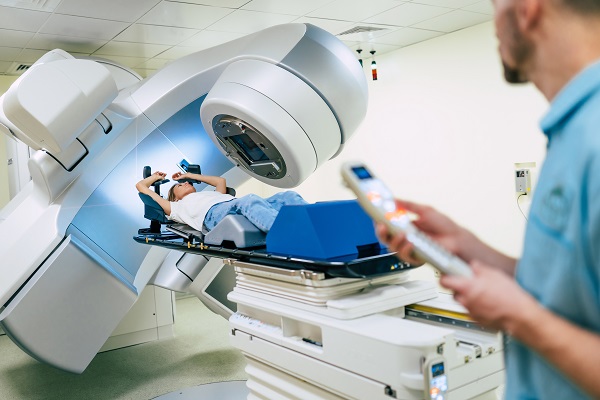
A dental assistant places a lead apron on a patient and steps behind a shield before taking an X-ray. Airport security staff scan luggage for contraband using advanced X-ray or computed tomography scanners. A meat processing employee uses an X-ray system to detect bones or metal fragments in packaged food. An oil field inspector relies on gamma imaging to check welds and pipelines for internal defects. While these jobs perform different tasks, they all share one goal — protecting employees from harmful radiation.
According to research published in the American Journal of Public Health about 1.5 million U.S. workers are occupationally exposed to ionizing radiation each year across medical, industrial, research, mining, and energy sectors. In the Nuclear Regulatory Commission-licensed sector alone, more than 144,000 individuals were monitored in 2019, with over 60,000 receiving a measurable dose.
The good news is that basic controls apply across all industries. These steps help reduce employee exposure to radiation:
1 Develop and maintain a radiation protection program.
Create a written safety program led by a qualified person, such as a radiation safety officer. While details vary by industry, all programs should:
- Register and label radiation-producing equipment.
- Track worker exposure.
- Set clear rules for entry into controlled areas.
- Post warning signs and required radiation symbols.
- Maintain emergency procedures for spills or unexpected exposure.
- Run regular drills.
- Review and audit the program at least once a year.
2 Limit exposure with time, distance, shielding, and monitoring.
Employers must ensure that workers do not exceed OSHA’s radiation exposure limits. To do this:
- Reduce time near radiation sources, increase distance whenever possible, and use proper shielding such as lead, concrete, or protective barriers.
- Provide dosimeters to employees who might receive more than 25% of OSHA’s quarterly limits. Record and review exposure data regularly and report any unusual readings immediately.
- Follow the ALARA principle — keep radiation exposure “as low as reasonably achievable”— by planning short tasks, using mobile shields, and marking safe zones.
3 Provide training.
Train workers and contractors on radiation hazards, safe procedures, and the meaning of warning signs. Use clear language, hands-on demonstrations, and annual training to reinforce safety habits. Provide additional training and protection for pregnant workers when necessary.
4 Survey work areas and control access.
Test radiation areas regularly to confirm safe levels. Conduct surveys at least quarterly, or whenever there are changes in process or equipment that might increase radiation or contamination. Limit entry to authorized personnel, mark high-radiation zones clearly, and lock doors or gates as needed.
5 Inspect equipment and shielding.
Inspect, test, and calibrate radiation-producing equipment and interlocks regularly. Check that shielding materials, such as lead walls, aprons, and windows, remain intact. Replace worn personal protective equipment (PPE) promptly and keep maintenance records for at least three years.
6 Plan for emergencies.
Keep written procedures for handling spills, unexpected exposures, or equipment failures. Post emergency contacts, conduct drills, and adjust duties as needed to protect workers.
7 Use PPE and contamination controls.
In areas where radioactive materials might contaminate clothing or skin, use PPE such as gloves, lab coats, and respirators when required. Separate clean and dirty zones, and check workers before they leave controlled areas to prevent contamination spread.
8 Review and improve your program regularly.
Evaluate your radiation safety program at least annually or after any incident. Update procedures when equipment, regulations, or work processes change. Hold review meetings, document updates, and retrain staff as needed.
By following time-distance-shielding practices, monitoring exposure, posting warnings, and keeping training current, employers and workers can build strong, safe cultures that protect health — today and for years to come.
For more information on radiation safety, download our free X-Ray Machine Safety Fact Sheet. For help with workplace safety and health training, email us at SafetyTraining@tdi.texas.com or call 512-804-4610.