

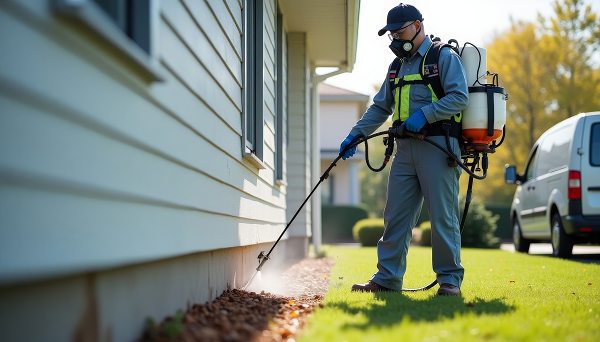
For most people, pests are a source of disgust or fear, but for those who work in pest control, they’re part of the job — and sometimes, part of the danger. Whether you’re responding to rodents in a warehouse, roaches in a restaurant, or bed bugs in a hotel room, every service call brings different risks. You’re often working in tight spaces, climbing into attics or crawlspaces, and handling chemicals that need careful control.
Many technicians say the pests usually aren’t the biggest threat — the conditions around them are. That’s why strong safety rules matter. Following guidance from the Occupational Safety and Health Administration (OSHA), wearing the right personal protective equipment (PPE), and using good work practices keep you safe while helping customers meet their own safety and sanitation requirements.
These nine safety tips can help pest control workers protect themselves, their team, and the workplaces they serve:
1 Wear the right PPE for every job.
Before starting work, put on the protective gear required for the chemicals and tasks you’re handling. This may include gloves, goggles, long sleeves, respirators, or knee pads. PPE protects you from chemical exposure, bites, scratches, and contaminated surfaces.
2 Read and follow all chemical labels and Safety Data Sheet (SDSs).
Every pesticide has specific instructions found on labels and SDSs. Follow them exactly. Labels and SDSs tell you what PPE to wear and how to mix, apply, store, and dispose of products safely. SDSs also explain hazards and first aid steps if something goes wrong. Skipping directions or guessing can lead to chemical overexposure, dangerous reactions, or violations under OSHA’s Hazard Communication Standard.
3 Use Integrated Pest Management (IPM) to reduce risks.
IPM helps keep workers safe by limiting chemical use. Start with inspection and prevention — sealing entry points, improving sanitation, fixing moisture problems, and removing clutter. Use chemicals only when needed and record all applications. This approach protects your health, helps customers stay compliant with OSHA sanitation rules, and often leads to better long-term results.
4 Keep work areas clean and handle waste safely.
Whether you’re in a hotel, restaurant, or warehouse, pests are often found near dirty or cluttered spaces. As you work, avoid spreading contamination. Secure trash bags, wipe up spills, and keep your tools clean. When handling droppings, nests, or infested materials, use gloves and dispose of waste according to local requirements. Some materials may need sealed bags or special handling.
5 Ventilate enclosed spaces before applying chemicals.
Many treatments happen in attics, crawlspaces, closets, and other tight areas. Before applying any product, open doors, vents, or windows when possible to allow airflow. Use fans in larger spaces. Good ventilation lowers the chance of breathing in fumes and reduces heat stress.
6 Protect yourself from slips, trips, and falls.
Pest control work often requires climbing ladders, entering dark storage areas, or moving through cluttered rooms. Before you start, scan the area for loose cords, wet floors, or stacked boxes. Keep pathways clear and use safe ladder techniques. Falls are one of the most common workplace injuries — stay alert, especially when carrying equipment.
7 Communicate hazards clearly with customers and coworkers.
Before beginning treatment, explain to customers any restricted areas, ventilation needs, or chemical drying times. Use signs or tape if needed. Clear communication keeps others from entering treated areas too soon and protects you from being rushed or interrupted. OSHA requires employers train workers about hazards.
8 Keep accurate records of treatments and training.
Good records protect both you and the businesses you serve. Log dates, products used, concentrations, locations, and any PPE required. Keep training documents up to date. Accurate documentation supports OSHA recordkeeping rules and helps you track what worked and what didn’t on past jobs.
9 Know when to stop and reassess.
If something feels unsafe — damaged wiring, aggressive animals, mold, or unstable structures — pause the job and notify your supervisor. Many technicians have stories of the “one time” they trusted their instincts and avoided a serious injury. Taking a moment to reassess can prevent accidents and ensure you return home safely.
For more information on ways to keep your workplace clean, healthy, and OSHA-compliant — or to schedule certified OSHA training — visit www.txsafetyatwork.com, email SafetyTraining@tdi.texas.gov, or call 512-804-4610.