

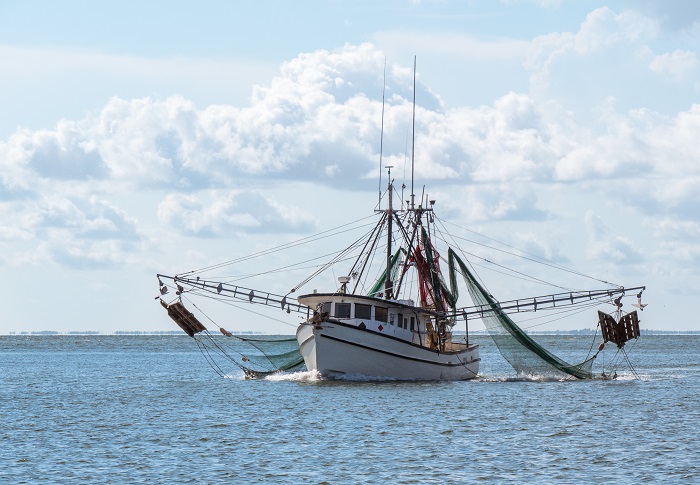
Commercial fishing along the Texas Gulf Coast is vital to the state’s economy. It supports local jobs and puts fresh seafood on tables across the country. In 2022, Texas fishermen harvested nearly 63 million pounds of seafood worth over $169 million, according to the Texas Parks and Wildlife Department (TPWD).
But commercial fishing is also one of the most dangerous jobs in America. Workers in this industry are about 28 times more likely to die on the job than the average American worker. Preventable accidents have killed hundreds of workers along the Gulf Coast in recent decades. Rough waters, heavy equipment, and long hours increase the risk of serious injuries or death.
Taking the right safety steps can save lives. Here are tips to keep in mind:
1 Always wear a life jacket.
Drowning is the leading cause of death in commercial fishing. Ensure every person on board has a U.S. Coast Guard-approved life jacket that fits, is in good condition, and is easy to reach in an emergency.
2 Prevent falls overboard.
Wear non-slip shoes. Use guardrails or safety lines when possible. Avoid working alone on deck.
3 Keep decks clean and organized.
Slips, trips, and falls are common on fishing vessels. Keep decks clear, store gear safely, and dispose of trash regularly.
4 Inspect and maintain equipment.
Check all gear and safety equipment often. Make sure life rings, radios, fire extinguishers, and first aid kits work. Fix or replace damaged items before leaving port.
5 Manage fatigue.
Fatigue causes accidents. Take breaks, rotate tasks, and watch for signs of exhaustion in yourself and your crew.
6 Follow safety regulations.
There are several agencies that enforce safety rules for commercial fishing. The U.S. Coast Guard enforces most safety rules at sea, including vessel operations and lifesaving equipment. OSHA rules may apply to maintenance, repairs, or cleaning within nine nautical miles of the Texas coast. TPWD manages fishing licenses, catch reports, and conservation in Texas waters. Know which rules apply to your work and follow them.
7 Get safety training.
Safety training saves lives. The Coast Guard offers training on emergency response, fire safety, and abandoning ship. OSHA training covers safe practices for maintenance, repairs, and working in hazardous areas on or near the vessel.
8 Report injuries and hazards.
Report work-related injuries and illnesses to the Coast Guard if there is a death, serious injury, or vessel damage. For incidents during maintenance or repairs within nine miles of the Texas coast, report to OSHA. If an injury involves marine mammals, notify NOAA Fisheries within 48 hours.
For more information on commercial fishing safety, review OSHA’s Commercial Fishing publications, visit TPWD’s Commercial Fishing Safety website, or contact your local Coast Guard office for safety exam scheduling and resources. DWC safety training specialists are also available at SafetyTraining@tdi.texas.gov or 800-252-7031, option 2.