

July 10, 2026
Biking and insurance pedal together

When you ride your bike, insurance rides with you. For instance, if your bike is stolen, your homeowners or renters policy might cover replacement, though your coverage might have a dollar limit.
Read your policy or contact your agent to be sure.
If you bike often, you may want to ask your agent about liability coverage. If you cause an accident that results in property damage or injures someone, liability insurance could help cover costs you’re responsible for. If you have home or renters insurance, it likely includes liability coverage.
May 14, 2026
How TDI helps Texans before and after disasters

Texas storms can move fast, but the Texas Department of Insurance (TDI) works just as quickly to keep Texans informed and supported. From helping consumers understand their coverage to hands‑on help after a disaster, TDI is here for communities across the state.
Learn more from TDI’s Texas Insurance Podcast.
How TDI prepares before severe weather
TDI stays plugged into statewide emergency operations long before a storm hits. When dangerous weather is expected, TDI joins situational awareness calls with the Texas Division of Emergency Management (TDEM) and the National Weather Service. These briefings help state agencies track threats and coordinate early action.
If the State Operations Center (SOC) activates — whether for hurricanes, tornadoes, wildfires, or flash floods — TDI sends its disaster response coordinator to the 24‑hour command center in Austin. From there, TDI shares real‑time insurance information with state and federal partners and helps coordinate support for local communities.
Working with insurance companies during a disaster
TDI leads the Texas State Disaster Coalition, a coalition of major insurance companies and state agency personnel. The coalition meets daily or weekly to share updates during and after a disaster. On these calls, TDI provides statewide updates on the disaster response and insurance companies report what their adjusters are seeing on the ground in affected areas.
Helping Texans after a disaster
After a disaster hits, TDI deploys its Disaster Assistance Response Team (DART) volunteers to local Disaster Recovery Centers (DRCs) run by FEMA and TDEM. These trained volunteers answer insurance questions face-to-face and help guide Texans through the insurance claim process.
If you’ve been affected by a natural disaster and can’t go to a DRC in person, call TDI’s Help Line at 800‑252‑3439.
Learn more
- Disaster response coordinator leads TDI response to July 4 Central Texas floods
- Before the storm
- What to do after a storm
- Disasters: how to prepare and recover
- TDI’s Role in a Disaster
May 6, 2026
Hurricane season starts in May? Prepare now.

Hurricane season starts June 1, right?
Maybe officially, but not anymore, according to Dan Reilly, a Texas-based National Weather Service meteorologist. “In most of the recent years, we’ve had many storms, before June” Reilly said. “So, in reality, I would say hurricane season probably starts in May.”
Protect your family and property by preparing now.
A few tips:
- Make or update your home inventory. Take pictures or videos of each room in your home. For major items, write down the serial number, what you paid, and date you bought it. Don’t forget to get a video of items inside closets and drawers. Having a home inventory is one of the best things you can do to make sure you get the value of your claim.
- Have an emergency kit packed and . ready to go Set aside 3 gallons of water per person, enough to last three days. Also pack non-perishable food, a can opener and utensils, a battery-powered radio, a flashlight and extra batteries. See a full kit list at ready.gov. Put some water and food supplies in your car too, just in case.
- Check your roof. Damaged shingles or leaks around chimneys or skylights will get worse in a storm. Have a professional secure loose shingles and check the metal flashing around openings or on roof valleys for leaks.
- Get your yard ready. Remove dead tree limbs and branches that hang over your house. Check for loose items that can become windborne such as yard furniture or trampolines. Tie them down.
For more tips, watch the Texas Insurance podcast.
Learn more
- How to prepare for a hurricane (video)
- Hurricane season: How to prepare your home and property
- Plan to be safe before a hurricane hits Texas
- Flood insurance: Why you need a policy
- Before the storm
April 3, 2026
Do you know your home’s wildfire risk?

In 2011, the most destructive wildfire in Texas history destroyed more than 1,600 homes in Bastrop County. A decade later, wildfires continue to pose a risk to much of Texas – and the risk increases as population expands into wilderness areas.
You can use the Texas Wildfire Risk Assessment Portal to check the wildfire risk for your home. Just enter your address, and you’ll get a look at the risk for your property and the surrounding area. Then listen to our interview with the Texas A&M Forest Service about what you can do to reduce those risks and protect your home.
Learn more
- Wildfire risks: Projects to help you protect your home
- Texas wildfires: Insurance can cover home, auto damages.
March 9, 2026
Spring showers? Shop for flood insurance

With hurricane season starting June 1, it’s a good time to shop for flood insurance. Act soon because a flood policy typically takes effect 30 days after purchase.
Reasons to shop:
- Since 1996, 99% of U.S. counties have been affected by flooding.
- One inch of water in a home or apartment can cause over $26,000 in damage.
- People who have flood insurance receive an average claim payment of $68,000.
To shop, talk to your home or renters insurance agent or company. If they don’t offer a flood policy, go online to floodsmart.gov to find a company. You can use the National Flood Insurance Program’s (NFIP) quoting tool to get policy and premium costs.
Get expert advice on flood insurance in this Texas Insurance Podcast.
Learn more
Flood insurance: Why you need a policyFebruary 12, 2026
What you need to know about getting an insurance license

TDI offers more than 34 license types, including both agent and adjuster licenses. Some licenses are product-specific, while others cover broader categories. Choosing the right one depends on the type of insurance products you plan to sell or service.
You can learn more in TDI’s Texas Insurance Podcast.
For most TDI license types, you’ll need to be at least 18 years old, submit to a fingerprint background check review, and pass a licensing exam. Some license types have more requirements, so check the details for the license you want on TDI’s Agent/Adjusters page before applying.
Common license types are:
- Life insurance only.
- Life, accident, and health.
- Property and casualty.
- Adjuster.
If you’re moving to Texas
If you’re moving to Texas and you already have a similar license in another state, you usually won’t have to retake the licensing exam, as long as you notify TDI within 90 days of moving. You will need to submit a new application and TDI will verify your licensing history through a national database.
Learn more
- Careers in insurance: How to become an insurance agent or adjuster
- Individual license online renewal or reinstatement guide
- Continuing education information for agents and adjusters
- What you need to know about continuing ed
- Have a question about your agent or adjuster license?
February 10, 2026
Do you need insurance experience to work for TDI? No.

True or false? You must have an insurance background to work for the Texas Department of Insurance.
False!
TDI has wide-ranging job opportunities. Recent job openings include those for attorney, investigator, actuary, auditor, programming, and accounting positions.
Sign up to get emails of TDI job postings
Learn more
Thinking about a new job? Don’t forget the insurance.
January 29, 2026
Unexpected indoor waterfall? Home or renters insurance might help.

A pipe bursts—or a toilet overflows or a washer hose breaks.
Good news: Your home or renters insurance policy covers sudden and accidental water damage. Your personal belongings are covered too.
Also, if mold develops on a damaged item, it would be covered.
Still, policies usually won’t cover damage from gradual leaks or seepage—and that includes damage from mold.
Mold from a flood wouldn’t be covered because home policies don’t cover floods. You would need a separate flood policy.
If you have a sudden leak, shut your water off at the main. Move expensive items off the floor. Your insurer may deny your claim if you don’t protect your property.
One more tip: You can always check what’s covered by reading your policy or calling your agent.
Listen to this Texas Insurance Podcast to hear expert advice on insurance and water damage.
Learn more
- When are water damage and mold covered by insurance?
- Winter storms: Tips for preparing your house and pipes
January 23, 2026
Avoid frozen pipes and costly water damage by taking steps now
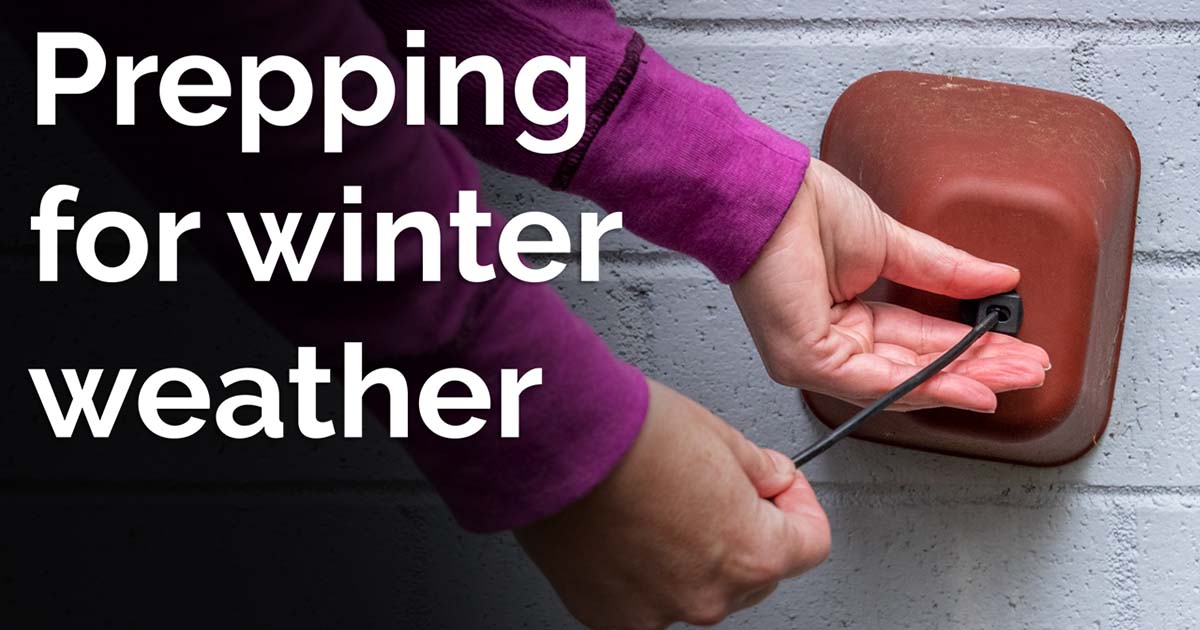
Freezing temperatures can cause frozen pipes.
But by taking simple steps now, you could head off thousands of dollars of water damage to your walls, ceilings, carpets, and furniture.
Key tips
- Install inexpensive wraps on exposed pipes. Start in the attic, where many Texas homeowners saw pipes freeze last winter.
- Wrap your outdoor faucets.
- Whether you own your home or live in an apartment or condo, identify water shutoff valves indoors and out. This will ready you for cutting off the water if a freeze poses risks.
- Don’t delay preparations until a freeze looms. Act now to ease your worries.
In this TDI video, How to prevent pipes from freezing, an expert with the Texas State Board of Plumbing Examiners shows several preventive steps you can take (plus, he spots a toad).
Learn more
- How to prepare your home for a winter storm (video)
- When are water damage and mold covered by insurance?
January 21, 2026
How to safely set up and run your portable generator

If you own a portable generator, remember to place it outdoors at least 20 feet from your home’s doors, windows, or vents.
Keeping a distance helps protect you from carbon monoxide gas, which is colorless, odorless, and potentially deadly.
More generator safety tips:
- Don’t put fuel in a hot generator. Turn it off and let it cool before refueling. Only put fuel in containers made for fuel. Never store fuel inside your home.
- Take care of cords. Plug appliances into your generator directly or use a heavy-duty, outdoor-rated extension cord. Check the cord for cuts, tears, or missing prongs.
- If you want to connect your generator to your house’s wiring, have a qualified electrician do it. Make sure the electrician uses a properly rated switch that meets electrical codes.
Watch our video for help using portable generators from Kelley Stalder, chief engineer of the Texas State Fire Marshal’s Office.
View podcast Q&A: How to safely use a portable generator
Learn more
- Generator safety: Knowing these tips can save your life (video)
- Using a generator? Stay safe from carbon monoxide
January 15, 2026
Don’t overlook these unexpected health plan benefits

Your health plan may provide some surprising wellness benefits. Learn about commonly covered things that you may have missed.
Telehealth
Can’t make it to a doctor’s office? Many health plans cover online appointments, often called telemedicine or telehealth, that let you meet a health care professional on your computer or phone.
Immunizations
Health plans often cover vaccinations. Be sure the ones you need are included in your plan and get them at a covered health care provider.
Other services your plan might offer:
- Gym membership discounts.
- Programs to quit smoking.
- Certain diabetes equipment.
- Other medical equipment.
Find out what your plan provides
Every health plan lists certain mandated benefits it must cover in your policy and evidence of coverage documents. Check your plan’s website and get familiar with those documents to find out what your plan pays for.
If you still have questions or aren’t sure, contact your health plan’s customer service or the insurance agent who signed you up.
Learn about health plan benefits in TDI's Texas Insurance Podcast.
Learn more
- How to save on healthcare, from doctors to pharmacies (video)
- Your health plan can help you quit smoking or lose weight.
December 19, 2025
Older Texans face greater fire risks. Learn how to make a safe exit.
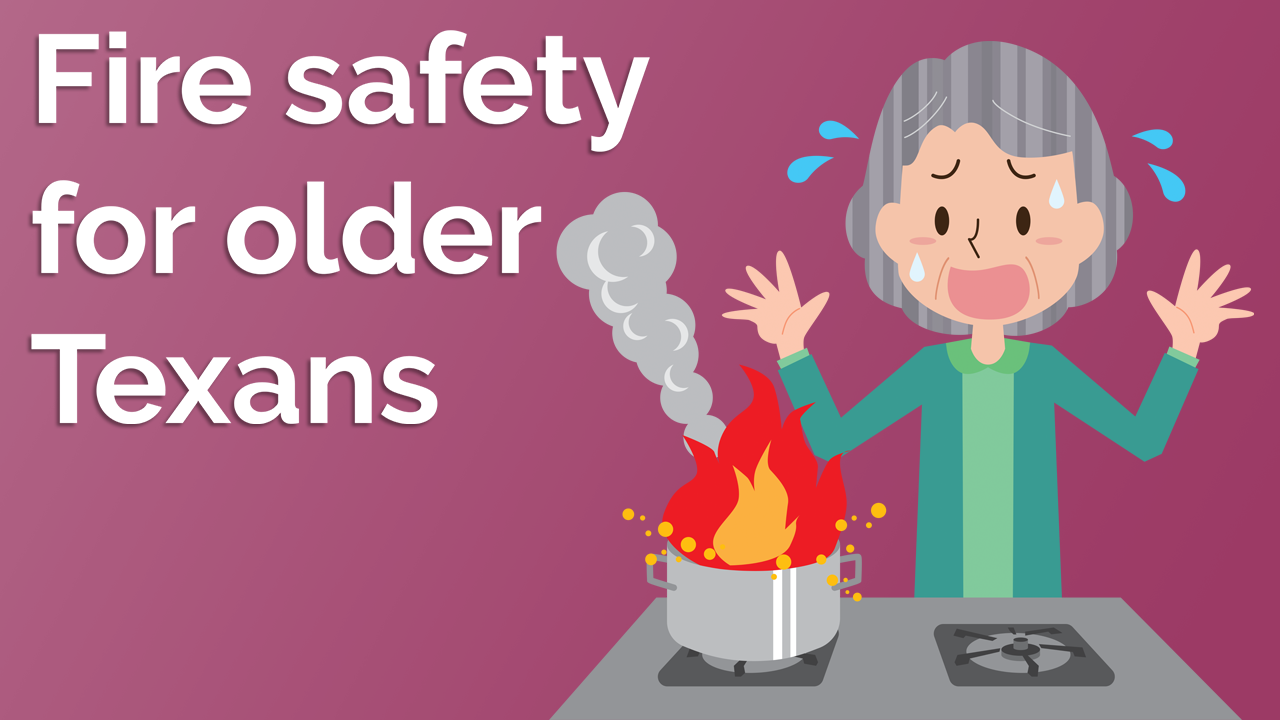
Older adults have a higher risk of dying in a house fire. But taking precautions can save lives.
Some tips to prevent fires and to make a safe exit:
- Install smoke alarms on every level of your home, inside and outside the bedrooms. The best alarm system is interconnected so that when an alarm sounds in one room, alarms in the other rooms also go off.
- Keep your glasses, cane, wheelchair, or other helping devices close in case you need to leave your home quickly.
- Test your alarms monthly.
- Replace alarm units every 10 years.
Make and practice a home escape plan with everyone in your house. In a fire, you might have just two minutes to get out.
Watch our “This Is TDI” video featuring Teresa Neal of the U.S. Fire Administration who shares fire safety tips, including cooking safety tips for older adults.
Learn more
- Smoke alarms: Where to put them, how often to replace batteries
- How to protect your family from a home fire
- How to escape from a house fire
- How to prevent kitchen fires with our cooking safety tips
December 11, 2025
Prepare now for winter driving hazards
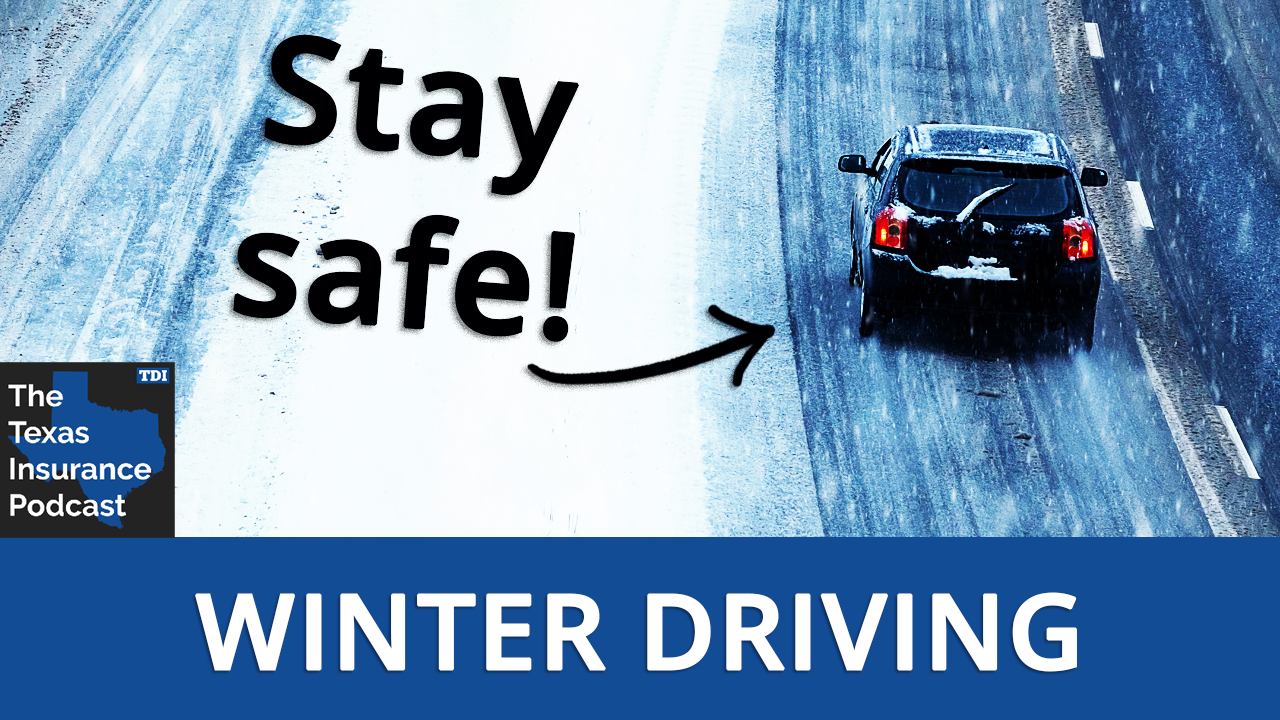
Now’s the time to get ready for winter driving hazards. Don’t wait until freezing temperatures arrive to shop for de-icer and an ice scraper – get them now so they’re ready when you need them.
Maintaining your tires is also an important part of preparing. Tires affect how your vehicle handles on roads made slippery by ice, snow, and rain. Get your tire pressure and tread depth checked and replace worn out tires.
If you must drive in wintery weather, give yourself plenty of time and keep an emergency kit in your vehicle in case you get stuck by ice and closed roads. The Texas Department of Public Safety (DPS) recommends storing water, jumper cables, a flashlight, and blankets in your vehicle and keeping your gas tank at least half full.
If you get in trouble on the road:
- Reduce your speed.
- Pull onto the shoulder or a grassy area.
- Keep your car running.
- Turn on headlights and hazard lights so others can see you.
If you need help, call the Texas Roadside Assistance number on the back of your Texas Driver License at 800-525-5555. That connects you to DPS and they can dispatch a trooper to you. Just keep in mind that it could take the trooper a while to reach you in bad weather.
Learn about preparing for winter driving hazards in TDI's Texas Insurance Podcast.
December 1, 2025
Staying safe when lightning strikes
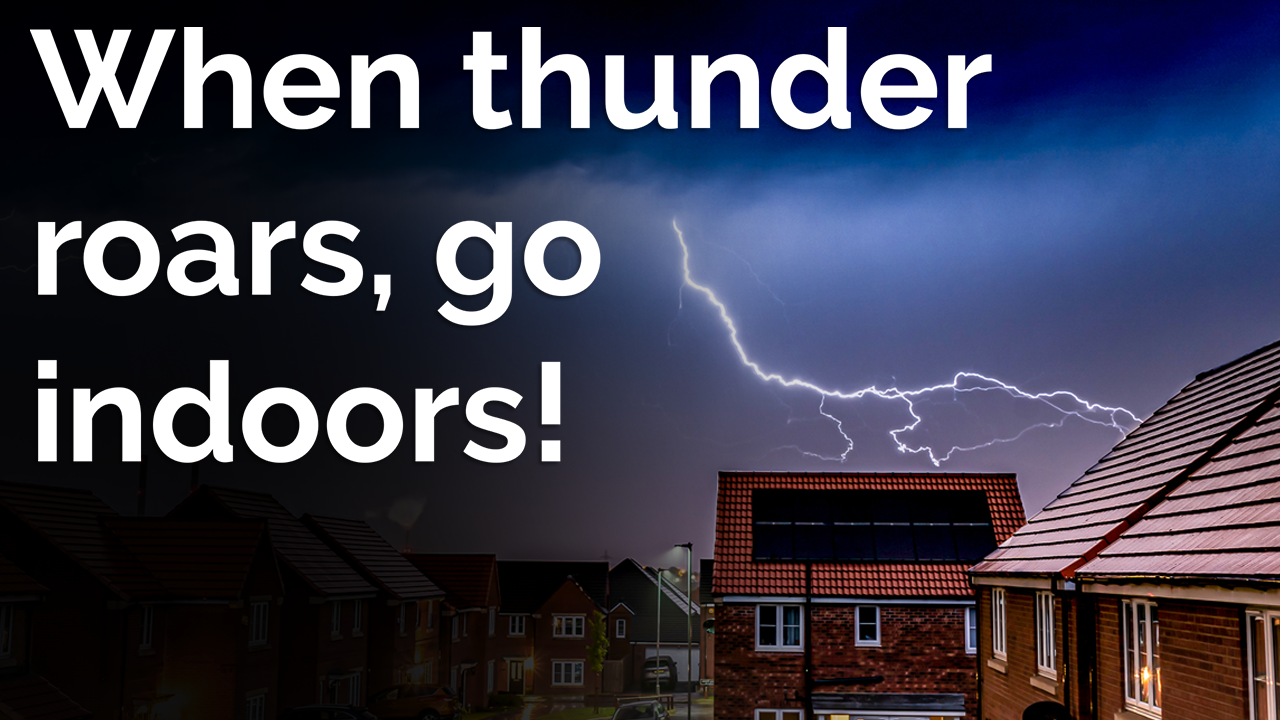
In any given year, your odds of getting struck by lightning are less than one in a million. Doesn’t sound too bad, right? But across your lifetime, the odds don’t look that great – they go to one in 15,300. Of course, the odds of you getting hit go higher if you ignore the dangers of thunderstorms.
Heed these tips and avoid zaps from the sky:
- If you’re outdoors and you see lightning or hear thunder, enter a sturdy building or get inside a car and close the windows.
- Stay away from utility poles and metal fences. And get out of cars with soft tops, tractors, and motorcycles.
- Don’t lie flat on the ground or in a ditch. Run to the nearest building or car. If your hair stands on end, squat down, and put your head between your knees.
- If you’re indoors, stay away from windows, plugged-in appliances, computers, and power tools. And don’t take a shower or bath, wash dishes, or stand near plumbing; water pipes conduct electricity.
There are also ways to protect your house from lightning.
Homeowners can invest in a lightning protection system, which has three parts:
- Lightning rod: Intercepts the lightning.
- Down conductor: Takes energy from the lightning down the side of the building.
- Ground terminals or grounding rods: Takes the energy from the down conductor and puts it deep into the ground.
If you want to install a lightning protection system, hire a professional certified by the Lightning Protection Institute.
In this video, John Jensenius of the National Lightning Safety Council talks about:
- Common outdoor activities that put people at risk of being struck by lightning.
- The odds of getting struck.
- How to protect your home.
Learn more
October 30, 2025
Does insurance cover treatment for mental health and substance use disorders?

If you’re dealing with stress, depression, anxiety, or substance abuse issues, your insurance should help cover your treatment—just like it would with a medical issue.
What Texans should know about insurance coverage for mental health and substance use disorders:
- Most health insurance plans cover services for mental health and substance use disorders. If you aren’t sure, check your policy or contact your insurance company.
- The law guarantees “parity” for most health plans, which means health plans must cover mental health and substance abuse treatment the same as medical health. Learn more on our How to get help with a mental health issue
- If your mental health insurance claim is denied, you may be able to file an appeal with your insurance company or ask for an external review.
- Texas Health and Human Services has resources to help you get access to mental health and substance use treatment through your insurance plan.
If you have questions about appealing an insurance claim or the claims process, call the TDI Help Line at 800-252-3439.
For more information, see our webpage, Insurance coverage and parity for mental health and substance use disorder services.
August 14, 2025
Texas insurance questions? Call TDI’s Help Line
Have a question about insurance in Texas? Call the Texas Department of Insurance’s Help Line at 800-252-3439.
It’s open weekdays from 8 a.m. to 5 p.m. Central time. Experts take questions in English, Spanish, and other languages.
Operators can:
- Talk you through steps you need to take to file an insurance claim—and share your rights under Texas law.
- Connect you to consumer tips about auto, home, health, life, and other kinds of insurance.
- Check if a company or agent is licensed in Texas – and if they faced disciplinary action.
- Tell you how to file a complaint so TDI can look into your issue.
Learn more about the Help Line from the Texas Insurance podcast.
Learn more
- Getting help with an insurance complaint
- File an insurance complaint
- Steps to getting your home or car insurance claim paid
August 6, 2025
Fire in your house? Get out fast.
If a fire breaks out in your home, you might have just minutes to escape.
So get out.
Leave.
Don’t hesitate.
Use these tips to plan how you’ll get your family and pets out safely:
- Make a home escape plan and practice it with everyone in your home. Have someone watch the drill and time it. Practice the plan until it’s automatic for everyone.
- Practice your escape plan twice a year. Try one practice at night, one in daylight.
- Practice finding more than one way out.
- Know at least two ways out of every room, if possible. Make sure exit doors and windows open easily.
- Agree on an outdoor meeting place—a tree, mailbox, light pole. Make sure everyone knows to go there.
- Teach your children how to escape without your help. Tell them not to hide under a bed, in a closet, or in a bathroom.
- Never go back inside a burning building. Get out and stay out!
Learn more
July 16, 2025
Is your smoke or carbon monoxide alarm chirping? Here’s what it’s telling you.
Just about everyone has woken up to the sounds of a smoke or carbon monoxide alarm going off in the middle of the night. But what do those chirps and beeps mean? In this video, we asked the National Fire Protection Association what the noises mean and how to stay safe from fires and carbon monoxide. Here’s a simple guide:
- Smoke alarms alert you with three beeps in a row.
- Carbon monoxide alarms alert you with four beeps.
- A single chirp means the battery is low or the detector should be replaced.
Some newer alarms also have a voice that gives you directions. Other alarms, made for people who are deaf or hard of hearing, shake your pillow or have a strobe light.
- Every alarm has a manufacture date or an expiration date. Replace your alarms before the expiration date, or within 10 years of the manufacture date.
- Test your alarms once a month.
- Replace the batteries once a year.
- Replace the alarms at least every 10 years.
When you buy new alarms, put them inside and outside each sleeping area. Not just bedrooms, but anywhere people sleep. If your garage is attached to your home, you need one there too.
Have a family escape plan and pick a safe place to meet outside. Then practice your plan so everyone’s ready when an alarm goes off. If someone in the house has mobility issues, make sure they sleep on the ground floor. It could be a matter of life and death.
Learn more
- Smoke and carbon monoxide alarms sounds (video)
- Fire in your house? Get out fast
- How to avoid carbon monoxide poisoning at home
- How to protect your family from a home fire
June 19, 2025
RV, pool, or boat? Insurance for your summer survival tools

Texans typically use the heat index instead of the calendar to mark the arrival of summer. Whether you wait for a 100-degree day or the official summer solstice, summer is here. Stay cool, Texas. We’ve got ideas to beat the heat and make sure your investment is insured.
Hit the road: If you’re taking your vacation on the road this year, watch our video to understand how insurance works for your home on wheels.
Hit the pool: Thinking about adding a pool or outdoor kitchen to your home? Yes, please! It’s a big investment, so talk to your insurance agent or company about getting the right coverage.
Hit the lake: With thousands of lakes and 367 miles of coastline, it's no wonder Texas is home to more than half a million recreational boats. If you have a boat, your homeowners insurance may include enough coverage. To make sure, check our tips on boat insurance.
June 11, 2025
You live in a floodplain
Your home lender may only require flood insurance if you live in an area at high risk of flooding, but we all live in a floodplain. We talked to a FEMA expert about how flood insurance works and why you may need it.
Check FEMA’s Risk Mapping, Assessment and Planning to see if you live in or near a flood hazard area. But as the FEMA expert explained, even those living outside high risk areas may flood. He said as many as 65% of disaster assistance claims for flood damage have come from people living outside areas designated as flood hazard areas.
He also explained the limits of disaster assistance. It’s not a substitute for flood insurance. First, you can only get disaster assistance after a disaster declaration. And disaster assistance is designed to help you get back on your feet – to make your home livable – but not to rebuild it as it was before. For that, you need flood insurance.
Just one inch of water can cause $26,000 of damage to a home. To make sure you’re protected, ask your insurance agent or company about flood insurance.
To learn more, go to FloodSmart.gov or review these tips.
June 6, 2025
Insurance tips for newlyweds

Recently married? We have insurance tips to get you off to a good financial start.
Home or renters insurance
Home and renters insurance are great ways to protect those nice wedding gifts. Both typically cover items damaged by a burst pipe or fire. They’ll also cover personal items stolen from your home or car.
Home and renters policies have limits on certain items like jewelry. If you want to make sure your new diamond ring is covered, you may want to add a jewelry rider, or endorsement. Ask your agent.
Auto insurance
Combining auto policies with your spouse might save you money. Most insurance companies offer a discount if you have more than one vehicle, and rates are usually lower if you’re married.
Health insurance
You have several options for health coverage. If both of you have coverage through work, compare the policies. One may have better benefits, a lower deductible, or a lower cost to add a dependent. And check to see if there’s a deadline to add a spouse.
Life insurance
As your situation changes and your family grows, you may need life insurance. Consider how much income would need to be replaced to help with childcare, your mortgage, and other debts.
April 25, 2025
Tips to avoid a tornado: Follow weather reports
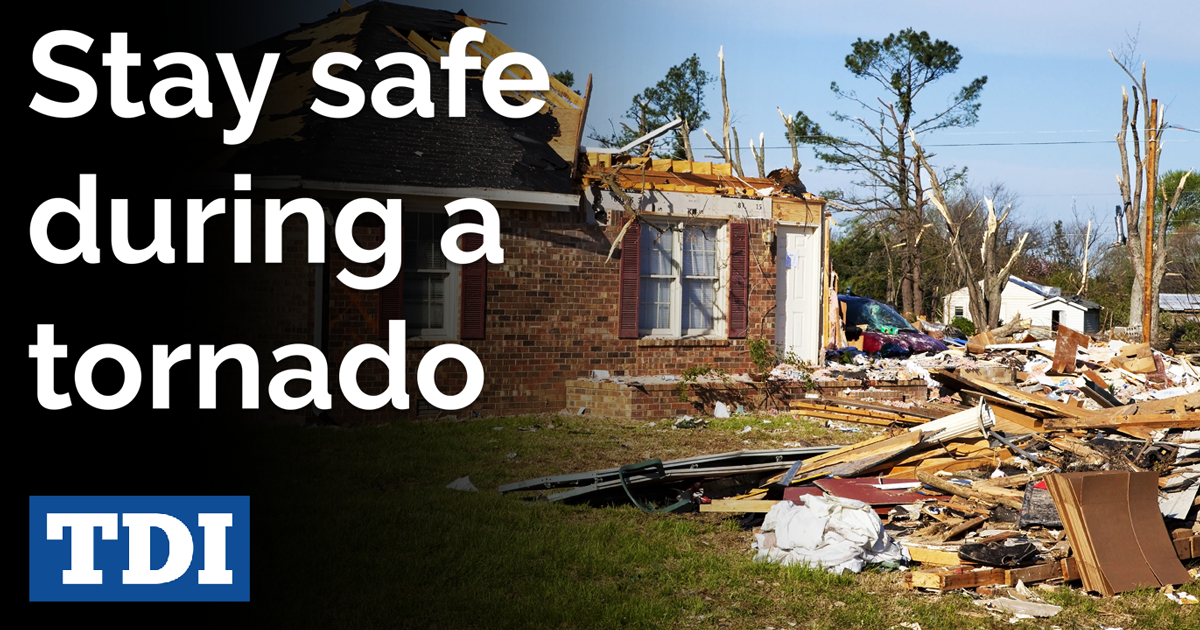
You’re driving home from work, inching along in highway traffic. Then you hear a tornado warning on the radio. Or worse, you see a tornado twisting your way.
Don’t get yourself into that situation!
A National Weather Service expert urges everyone to follow the weather, especially during the spring and summer tornado and hurricane seasons.
If your city or county is under a tornado watch, plan to be inside a building—and not sitting in your car or truck.
Learn more
- Danger, danger! Don’t mix up tornado watches and warnings.
- Are you prepared for a tornado? Here’s how to protect your home
April 10, 2025
Protect or harden your home before bad weather hits

Texas gets more tornadoes than any other state and plenty of hail. Hurricanes too.
Homeowners can prep their homes for all kinds of bad weather.
Some tips:
- Trim your trees. Broken limbs can damage your roof, break windows, and more.
- Know where to shut off your utilities outdoors.
- Make sure any sheds, outdoor furniture, and grills are tied down so they don’t become flying objects in heavy wind.
- Make sure all your gutter fasteners are tight. If you live in a hail-prone area, consider upgrading your gutters to steel. Steel is more durable than vinyl or aluminum.
- Keep your roof in shape. As shingles age, they can lift or let water inside your home. When it’s time to replace your roof, use impact-resistant shingles and make sure they’re properly installed.
Learn more about protecting or “hardening” your home in an expert interview on the Texas Insurance Podcast.
Learn more
- Are you prepared for a tornado? Here’s how to protect your home.
- Are you ready for a disaster?
- Hurricane season: How to prepare your home and property
March 13, 2025
¿Un minuto? Podcast highlights insurance tips in Spanish

¿Tiene un minuto?
Then you have time for TDI’s 60-second consumer videos in English and Spanish.
Lorna Camacho advises consumers in the Spanish versions of the department’s One Minute of Insurance videos. They’re called Un Minuto de Seguro.
“Insurance can be challenging in any language,” Camacho said. “Our videos deliver basic information. You can then get more detail from our online consumer tips pages, in English and Spanish.”
Camacho shares more in this Texas Insurance Podcast.
Get to TDI’s Spanish-language page from the Español tab on TDI’s home page at tdi.texas.gov.
Have an insurance question in English or Spanish? TDI’s Help Line is 800-252-3439. It’s open weekdays from 8 a.m. to 5 p.m. Central time.
Learn more
- TDI expands access to insurance information in Spanish
- Get consumer tips
- Read blog posts
- Watch one-minute videos
January 31, 2025
How to file your insurance claim

Need to make an auto or home insurance claim?
Tips to help you succeed:
- After a car accident or incident at your home, talk to your insurance company. You’ll want to discuss your options. Maybe you don’t want to file a claim. Consider your deductible—how much you pay before your insurance pays.
- If you make a claim, write down details including when you called the company, who you talked to, and your adjuster’s name. Also, make a list of documents or information the company wants from you.
- After a car accident, move your car to a safe location. Take photos of the accident scene, including your car, other involved cars, and anything that’s been hit such as trees, buildings, or street signs. Also photograph the other driver’s insurance information, driver’s license, and license plate.
- If your house is damaged, write down the time and date you first saw the damage. Also note what the weather was like at the time. Take photos of any damage. Protect your home from further damage by covering broken windows or putting a tarp over a roof hole. Don’t make permanent repairs until your company gives the OK.
- On any claim, save all receipts.
.
Want more tips about making a claim? Listen to this Texas Insurance Podcast.
Learn more
- Tips for filing a claim with your insurance company
- Were you in a wreck? Tips for auto insurance claims
- Steps to getting your home or car insurance claim paid
November 14, 2024
Fraud investigators catch insurance criminals

Insurance fraud happens daily – and it drives up everyone’s premiums.
But TDI fights fraud. About 30 TDI investigators identify and help catch and prosecute people for fraud.
More than 200 TDI Fraud Unit investigations a year lead to consumers getting restitution and criminals facing prosecution and prison time.
Types of fraud include identity theft and not sending your premium payments on to the insurance companies.
Hear more from the unit’s financial analyst in this episode of the Texas Insurance Podcast.
Learn more
- 5 ways to stop insurance agent fraud (video)
- Fraud investigators: How TDI solves insurance crimes (video)
- Report insurance fraud
- Insurance fraud guide
- Fraud investigator helps shut down COVID-19 testing fraud
- How "Doc" Gallagher defrauded investors of millions (video)
September 12, 2024
How to make a home inventory for insurance

Ever heard of a home inventory?
It’s not a list of homes.
It’s a list of stuff inside your home that you’d want to replace when making an insurance claim after a theft, flood, fire or other disaster. Items in an inventory include furniture, clothing, appliances, silverware, glassware, and other personal property.
In this Texas Insurance Podcast, TDI’s Margo Morris shows how to make your inventory.
Learn more
October 12, 2023
Prevent cooking fires, protect your home
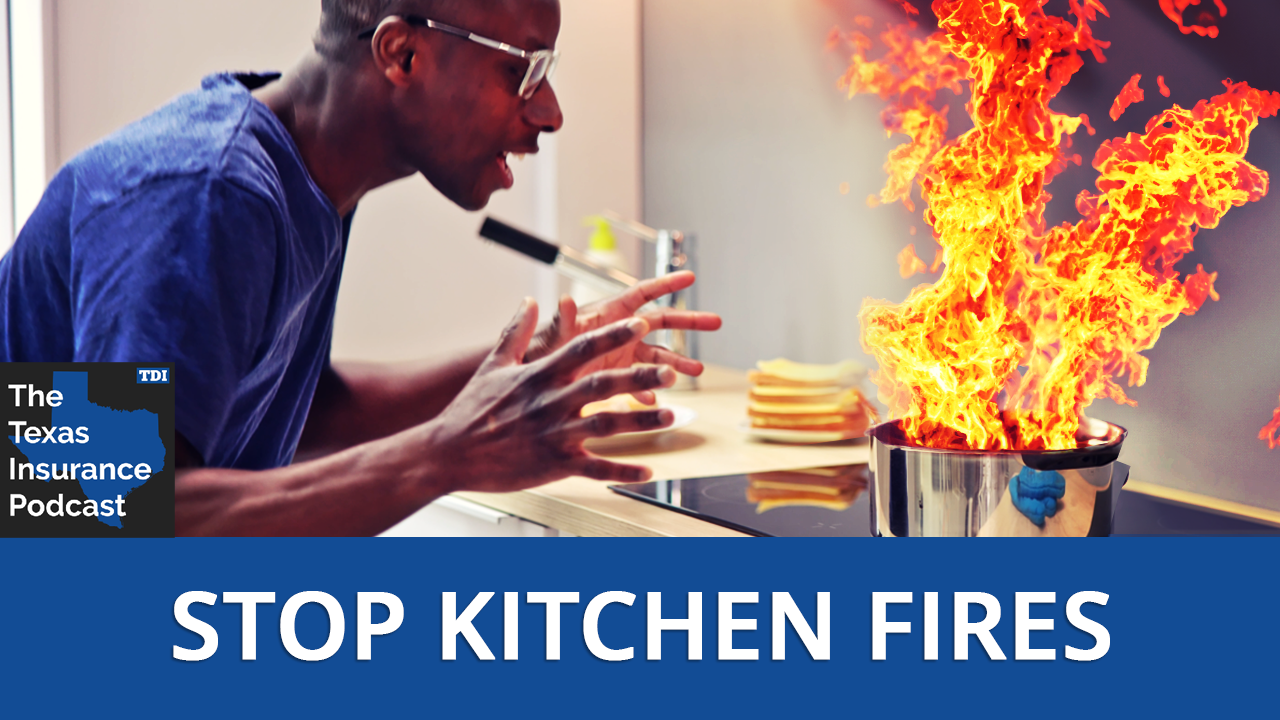
Cooking fires are the No. 1 cause of home fires.
So do right in your kitchen and protect your home.
Cooking safety tips:
- Once you start cooking, keep your eyes on the sizzle. Inattention can lead to flames you don’t want.
- Try not to leave the kitchen while cooking — and never ditch a hot stovetop. If you stray from your oven, set a timer so you’re back before dinner chars.
- If children are afoot, keep them 3 feet away from your cooking zone, indoors or out. Enforce the zone for your pets too.
Get more tips in our cooking safety podcast featuring Kelly Ransdell of the National Fire Protection Association. The association marks National Fire Prevention Week each October.
Learn more
- How to prevent kitchen fires with our cooking safety tips
- Is your kitchen too hot to handle? (video)
- How to make a home fire escape plan (video)
September 7, 2023
How to shop for home insurance

Are you wanting to lower your home insurance costs?
Consider shopping for a new policy. Plan ahead by starting a month or more before your current policy expires.
Shopping tips:
- Ask your agent if a premium increase or other changes in your policy are in the works. This helps you make comparisons.
- Consider a higher deductible, which could reduce your premium.
You can hear more on shopping for home insurance in the Texas Insurance Podcast.
Learn more
- How much home insurance do you need? (video)
- Ways to save money on home insurance
- Lower your home insurance cost by asking for discounts
- How to shop smart for home insurance
- FAQ: Homeowners insurance, claims, saving money, and more
August 3, 2023
Coastal Texans can turn to TWIA for hail, windstorm coverage
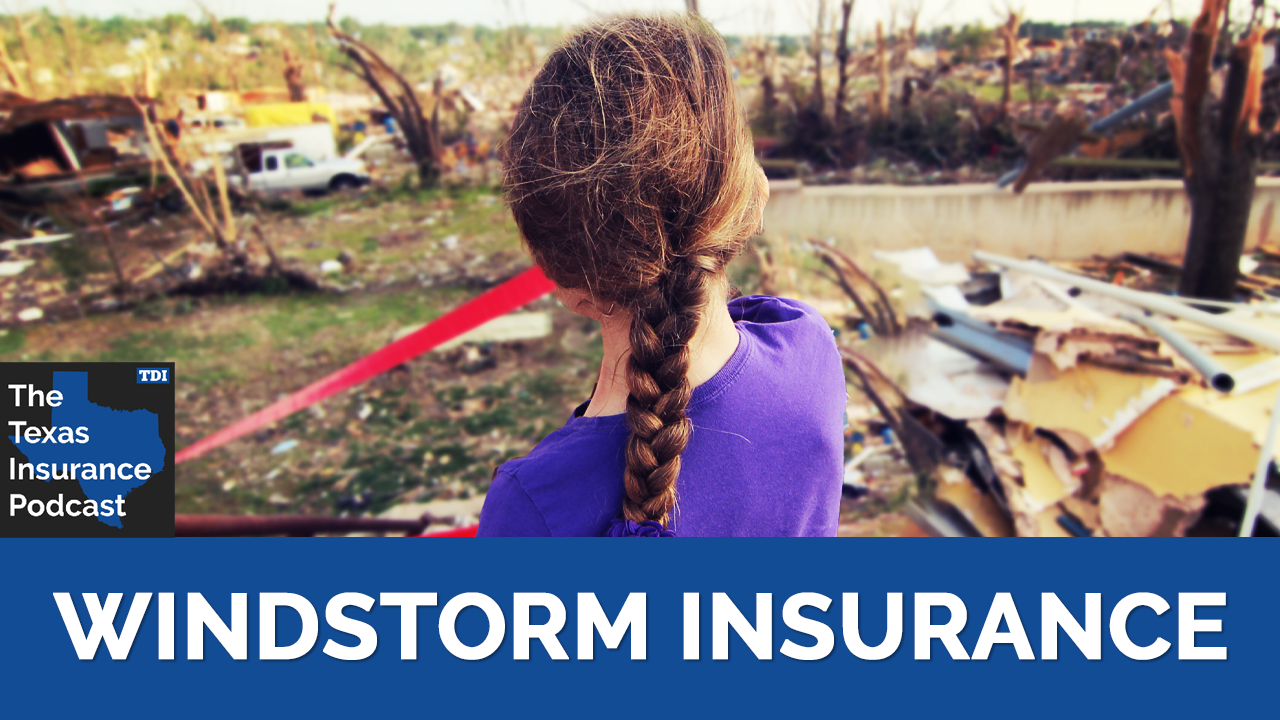
In August 1970, Hurricane Celia slammed ashore at Corpus Christi, killing and injuring residents and leaving previously unheard-of hundreds of millions of dollars in damage.
In response to insurance companies increasing rates or no longer selling wind and hail coverage along the Gulf Coast, state lawmakers in 1971 launched the Texas Windstorm Insurance Association (TWIA).
TWIA continues to serve as the wind and hail insurer of last resort for property owners in Texas’ 14 coastal counties and parts of Harris County. TWIA currently backs more than 237,000 policies.
If you live in a coastal community, read your homeowners policy to see if it covers hail and wind damage. If not, contact your insurance agent to see what options you have for coverage.
Eric Casas, TWIA ombudsman at the Texas Department of Insurance, cautions against assuming you can go without wind or hail coverage just because your home hasn’t been hit by a terrible storm. And if you have a mortgage, your lender will likely require you to have windstorm coverage.
Hear more tips about protecting your home from hail and wind damage in this episode of the Texas Insurance Podcast.
Learn more
- What is windstorm insurance?
- Texas Windstorm Insurance Association
- Homeowners, flood, and wind and hail policies: Know how they work
- What you need to know about windstorm inspections
July 6, 2023
Have an insurance complaint? Tips to understand the complaint process
Have a problem with your insurance company, agent, or adjuster?
You might want to file a complaint with the Texas Department of Insurance (TDI).
Before you consider a complaint, talk to your insurance agent or company about the problem you’re having. Sometimes conversations clear the air, delivering satisfaction.
You can file a complaint with TDI about insurance companies, agents, and adjusters. We can help you get started.
After you file a complaint, our experts will reach out to the insurance company to get more information. Last year, we returned $56 million to consumers in refunds and claim payments.
Before you file a complaint, understand that there are some things we can’t do:
- We can’t make a company pay a claim unless the failure to pay violates a law or the terms of your policy.
- We can’t help with complaints against another person’s insurance company. For instance, we probably won’t be able to help you if you’re in an accident and the other driver’s insurance company won’t accept liability.
- We can’t decide who was at fault in an accident.
Questions? Call our Help Line at 800-252-3439 to understand your rights. For more on filing a complaint, watch this Texas Insurance podcast.
View podcast Q&A: How to get help with an insurance complaint
Learn more
- Can TDI help with my complaint? (video)
- What if my insurance isn't paying enough?
- Not sure who to call with your question or complaint? We can help.
May 2, 2023
Plan to be safe before a hurricane hits Texas
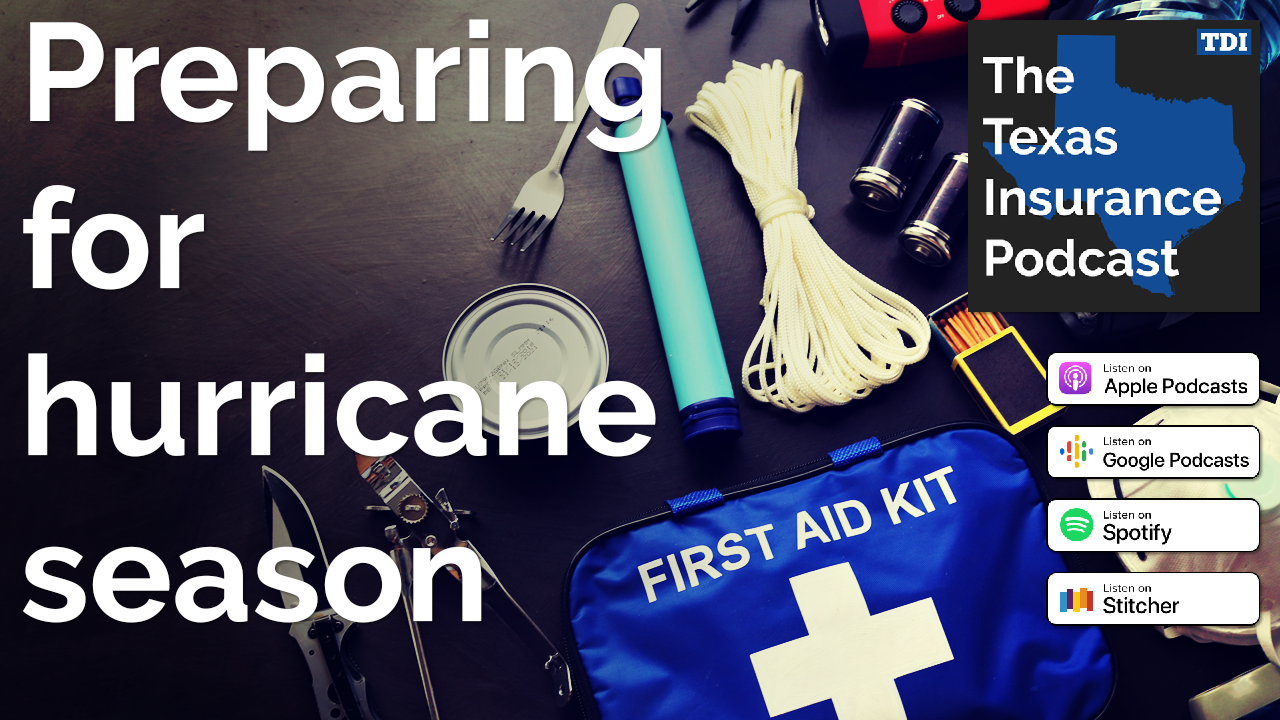
The Texas Division of Emergency Management (TDEM) regularly leads the state’s response to natural disasters including summer storms and hurricanes.
It also wants Texans to plan ahead to stay safe.
For instance, it’s a good idea to keep emergency “go kits”— basic disaster supplies including food, water, medicine, clothes, and other vital items — in your home, office, and car.
Also wise: Settle with family members ahead of time where you’re going to go if a bad storm hits. And if you think you might need flood insurance, shop before you hear a scary weather forecast. It takes 30 days for a flood policy to take effect.
View podcast Q&A: How to prepare for hurricane season
Learn more
- Hurricane season: How to prepare your home and property
- Flood insurance: Why you need a policy
- Before the storm
- Texas Ready disaster supply checklist
April 6, 2023
Prepare your home and family for spring Texas storms
A spring hurricane is unlikely. The latest one, Hurricane Alma, fizzled out near Cuba in May 1970.
Still, spring rains, hail, wind and even tornadoes can threaten homes, cars, and lives.
Some storm preparation tips:
- Paul Yura of the National Weather Service suggests you keep three days of food, water and other supplies, including pet food, on hand.
- Also, Yura says, decide well ahead of time where your family will go if dangerous weather approaches.
- Count on weather alerts on your cell phone. But, Yura says, also keep a weather radio handy, with fresh batteries. Sometimes the phone runs out of juice.
View podcast Q&A: How to prepare for spring storms
Learn more
- Texas summer storm safety
- 5 tips for driving in windy conditions
- Are you ready for a disaster?
- Tips to avoid a tornado: Follow weather reports
Insurance tips and help
How to get help or file a complaint: We can answer insurance questions, help with problems, and explain how to file a complaint against an insurance company or agent.
Videos: Our video library has short tips and interviews with experts on dozens of topics.
Insurance tips: Use our tips to get the best deal on insurance, protect yourself from fraud, and learn what to do when you have a problem.