

July 14, 2026
Why you might get a doctor’s bill after your free annual physical

Most U.S. health insurance plans pay for an annual wellness check or physical.
By law, a wellness check can include routine immunizations, cancer and depression screenings, and other basic services—at no cost to you. These free visits encourage detection of life-threatening conditions or illnesses.
Still, some patients report getting billed after a wellness check.
What gives?
You can be charged if:
- You’re visiting to treat a chronic condition such as asthma or diabetes. You can be charged a copayment for the office visit. But if you get a flu shot or other routine immunization, the shot is free.
- Your wellness check is provided by a doctor not in your insurance plan’s network. However, if an out-of-network provider is used because there is no in-network provider available, you shouldn’t be charged.
- You get treatment after a screening at your wellness check. For instance, if a CT scan at your wellness appointment detects lung cancer, you’ll have to share the costs of related surgery or medication.
If you get an unexpected bill after a wellness appointment, ask for an itemized bill with billing codes. If something seems off, ask the physician’s office. You can also follow up with your insurance company.
Have an insurance question? Call TDI’s Help Line at 800-252-3439. It’s open weekdays from 8 a.m. to 5 p.m. Central time.
Learn more
- What is an explanation of benefits? (video)
- How to save money at the doctor
- You might have gotten the bill by mistake
- How to get help with a surprise medical bill
July 9, 2026
How to read your explanation of benefits

Understanding your explanation of benefits (EOB) is an important part of managing your health care costs. An EOB shows what your doctor billed, what your health plan covered, and what you might have to pay. Knowing how to read this document can help you avoid surprise charges and catch potential errors early.
You can learn more in TDI’s Texas Insurance Podcast.
An EOB is a document that your health plan sends you after it receives a claim for care you received. This claim could be a visit to a doctor, lab, hospital, or any other health care facility.
Each time a provider submits a claim for you, your health plan creates an EOB. It lists all the services and procedures performed during your visit, such as exams, vaccinations, surgeries, or anesthesiology.
When you receive an EOB, review it carefully. First, confirm your personal information, like your name and address. Then, check that the services listed match the services you received during your visit. Mistakes in this information can affect how much you and your health plan will pay.
Next, look at how the costs were applied to your copayment, deductible, or coinsurance. These are the amounts you’re responsible for under your health plan. If something looks wrong, contact your health plan to review the charges. If you still believe the amount is different from what your provider told you, reach out to the provider for clarification.
Learn more
- Understanding an explanation of benefits
- How to avoid costly mistakes with your health plan
- How to save money at the doctor
January 23, 2026
Preventive health screenings covered by your health plan

Did you know many preventive screenings and services are covered by your health plan —at no cost to you? Federal law requires most health plans to cover a range of preventive services. In many cases, you won’t pay a copayment or coinsurance even if you haven’t met your deductible, as long as you visit an in-network provider.
These preventive health benefits are designed to help you stay healthy and catch problems early, before they become more serious and costly to treat.
Common preventive health services
Most plans cover these screenings and services:
- Cancer screenings. Prostate, colorectal, breast, and cervical cancer screenings.
- Mental health screenings. Anxiety and depression screenings, including perinatal depression screenings during and after pregnancy.
- Chronic condition checks. Blood pressure and prediabetes testing.
- Flu shots and other recommended vaccines.
- Lifestyle screening and counseling. Alcohol, drug, and tobacco use. Obesity, sexually transmitted infections, and domestic violence.
Preventive services for women and children
- Children. Autism, developmental, and behavioral screenings. Hearing and vision checks, and well-child exams.
- Women. Contraception, breastfeeding support, folic acid supplements, and well-woman and prenatal visits.
How to access preventive benefits
Since recommended preventive services vary based on your age and risk factors, talk with your primary care doctor about which preventive services are right for you. To make sure your preventive services are covered, always confirm that your health care provider is in your insurance network, and check coverage details with your health plan’s customer service. Remember that your normal cost-sharing will apply if your visit involves more than just the preventive services.
You can find the full list of preventive services covered by Affordable Care Act health plans on the HealthCare.gov preventive health services page.
Learn more
- How to save on healthcare, from doctors to pharmacies (video)
- Health care coverage guide
- 2026 Texas Health Coverage Guide (PDF)
- Don’t overlook these unexpected health plan benefits
January 15, 2026
Don’t overlook these unexpected health plan benefits
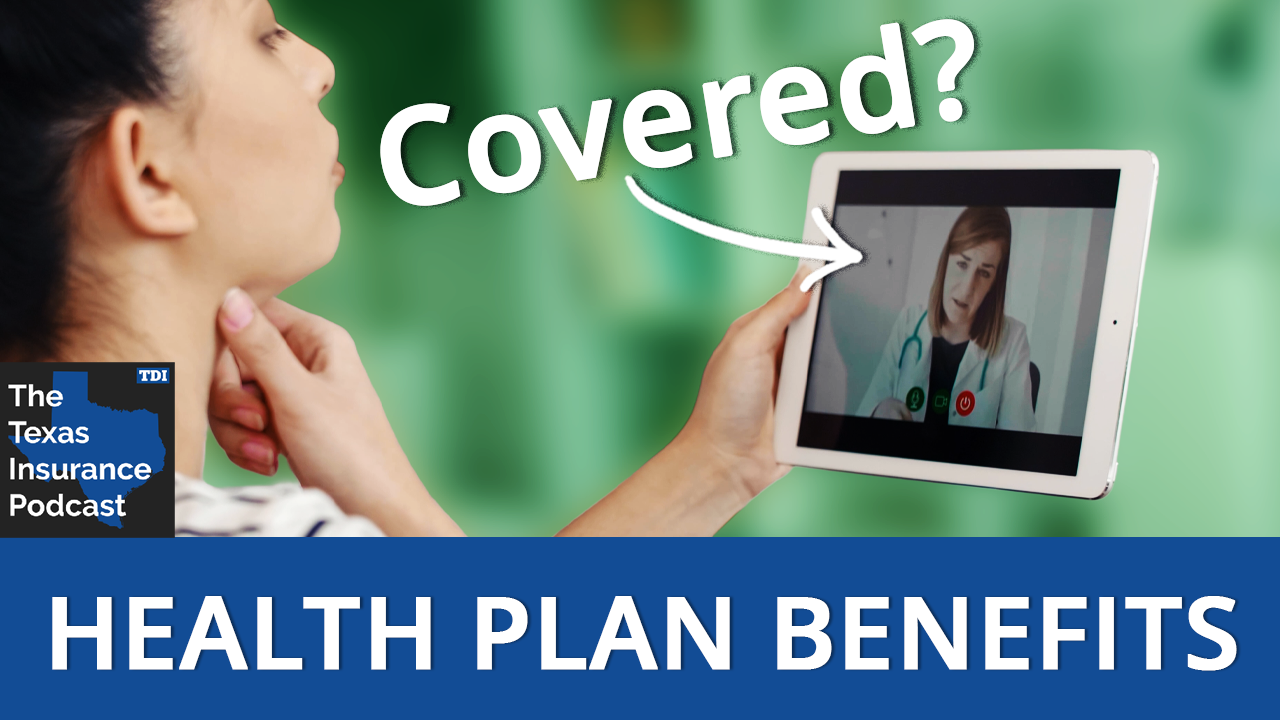
Your health plan may provide some surprising wellness benefits. Learn about commonly covered things that you may have missed.
Telehealth
Can’t make it to a doctor’s office? Many health plans cover online appointments, often called telemedicine or telehealth, that let you meet a health care professional on your computer or phone.
Immunizations
Health plans often cover vaccinations. Be sure the ones you need are included in your plan and get them at a covered health care provider.
Other services your plan might offer:
- Gym membership discounts.
- Programs to quit smoking.
- Certain diabetes equipment.
- Other medical equipment.
Find out what your plan provides
Every health plan lists certain mandated benefits it must cover in your policy and evidence of coverage documents. Check your plan’s website and get familiar with those documents to find out what your plan pays for.
If you still have questions or aren’t sure, contact your health plan’s customer service or the insurance agent who signed you up.
Learn about health plan benefits in TDI's Texas Insurance Podcast.
Learn more
- How to save on healthcare, from doctors to pharmacies (video)
- Your health plan can help you quit smoking or lose weight.
- Ready to get in shape? Your health plan could help.
November 14, 2025
Did your health plan deny a treatment? Ask for an appeal.

Has your doctor told you that you need a medical treatment that your health plan denied? If so, you might have the right to appeal the decision.
The notice you got from the health plan telling you that it denied your treatment or service should tell you how to appeal.
State and federal laws require your plan to have an appeals process.
If you have Medicare or Medicaid, ask those programs about your appeal rights.
You, your doctor, or someone representing you can appeal a health plan’s decision.
Learn more
- How to file an appeal or ask for an external review
- How consumers are protected from surprise medical bills
- How to avoid costly mistakes with your health plan
November 6, 2025
How to choose the right health plan

Finding the right health plan starts with knowing your options. There are three main types of plans that offer major medical coverage:
- Preferred provider (PPO) plans. PPOs have higher premiums but more flexibility in doctors. You might need preapproval for some procedures.
- Health maintenance (HMO) plans. HMOs have lower costs, but you’re limited to in-network providers, so make sure your doctors are in the network. You must choose a primary care physician who coordinates your care and usually need a referral to see a specialist.
- Exclusive provider (EPO) plans. EPOs are like HMOs without any out-of-network coverage. You don’t have to pick a primary care physician and can see specialists without a referral. Premiums are usually higher than HMOs but less than PPOs.
Be careful about limited benefit health plans. These may have lower premiums, but they aren’t comprehensive. They don’t meet Affordable Care Act standards and often don’t pay for preexisting conditions, like diabetes.
Other costs you might pay
When you see a doctor or get a health care service, you might need to pay some of the cost yourself until you reach your plan's out-of-pocket limit. These costs are the:
- Annual deductible.
- Copays for doctors and specialists.
- Prescription drug costs.
- Coinsurance.
Know if the plan meets your needs
To see if a health plan is right for you, read its Summary of Benefits and Coverage. This document lets you make a side-by-side comparison of the coverage in different plans. Start by reviewing what you will pay for the care you are likely to need – such as visits to your doctors or specialists, urgent care, and emergency rooms. Compare what the plan will cover before you meet the deductible. Also review the plan limits and exclusions.
Before you buy a plan, ask if your doctors and specialists are in their network and check that your prescription medications are covered. Ask how much you will pay each month to refill for your prescriptions.
When to sign up for a health plan
You can get a new health plan during open enrollment. If you’re shopping on HealthCare.gov, this is from November 1 to January 15. Enroll by December 15 to get coverage that starts January 1. Have an estimate of your annual income ready to see if you qualify for a credit to lower your monthly premium.
Even if you’re keeping the same health plan you had last year, check that you can still get the same benefits. These can change from year to year.
If you have a health plan through your job, ask for open enrollment dates from your company’s human resources department.
Special sign-up times outside of open enrollment
There are special enrollment periods for big life changes, like the birth or adoption of a child, marriage, or moving to a new state or country where your plan isn’t available. Sometimes your income changes and you might qualify for a tax credit that you didn’t qualify for before.
If you qualify for a special enrollment period, contact HealthCare.gov or your job’s human resources department.
Learn more about enrolling for a health plan on the Texas Insurance Podcast.
Learn more
- Before you buy an alternative health plan... (video)
- Use these tips to shop smart for health coverage.
- Health care coverage guide.
- How to apply and enroll.
- Alternative health plans.
- Know what kind of health insurance you’re buying.
November 1, 2025
It’s health insurance shopping season—but watch for red flags

Across America, it’s sign-up season for health insurance—a chance to shop for coverage that fits your health and budget needs.
You have until Jan. 15 to browse insurance options on HealthCare.gov.
Warning: You should also watch for signs that something might not be right.
Some red flags:
- You get a call from someone you didn’t contact first. You should be in control of when you shop, what you’re shopping for, and who you ask for help.
- If an agent can’t answer basic questions—such as a plan’s copays, deductible or premium amounts, or give you specific plan information in writing—that’s a red flag; and it might be a scam.
- If you feel pressured to commit to a plan right away, just say no. No legitimate plan changes its price or other terms during enrollment season.
- If you see coverage that costs far less than other plans, hold off. There may be catches that cost you, like fewer benefits. If a deal sounds too good to be true, it probably isn’t true.
Learn more
- Find the health plan that fits your needs (video)
- Before you buy an alternative health plan... (video)
- Use these tips to shop smart for health coverage.
October 30, 2025
Open enrollment for Medicare runs through December 7
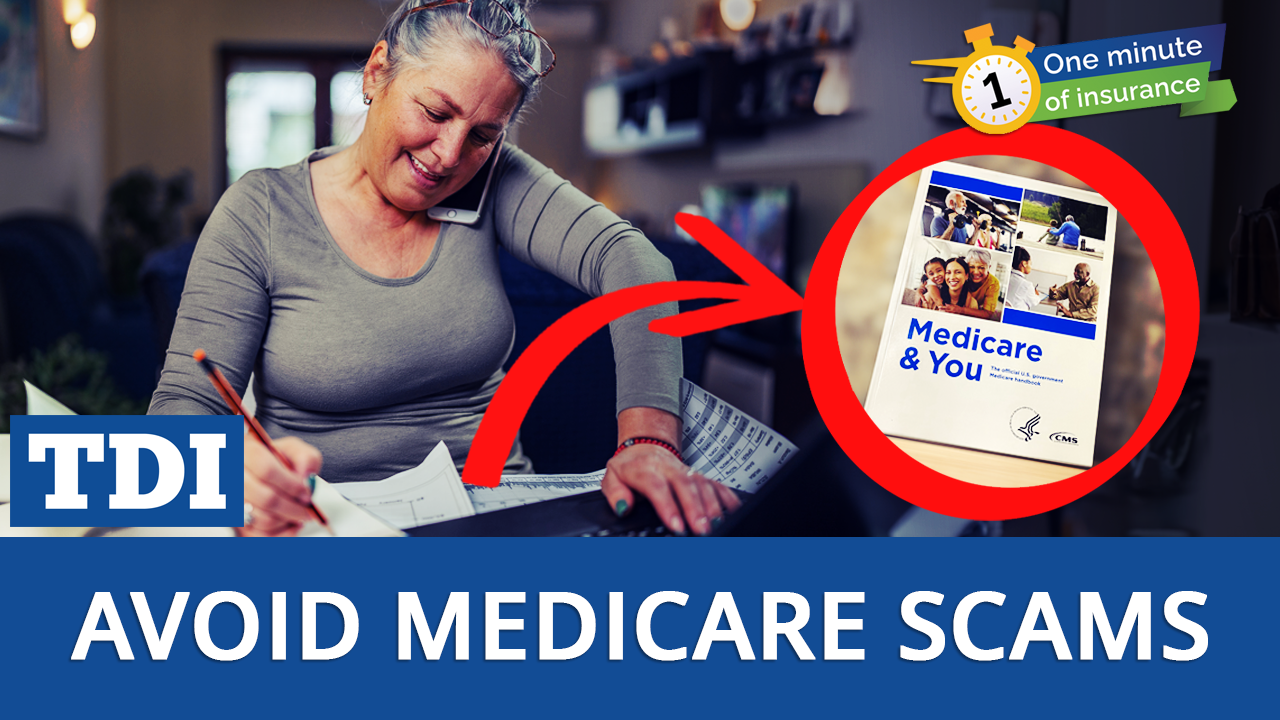
It’s that season, time to shop for what you want in Medicare.
Medicare, federally-funded health insurance, is open to Americans 65 or older, younger people with disabilities, and people with end stage renal disease.
You have until Dec. 7 to change your Medicare health or drug coverage for 2026. The open enrollment period lets you join, switch, or drop a Medicare Advantage Plan or a Medicare drug plan.
A Medicare Advantage plan provides Medicare through a private company.
Sometimes a plan offers additional benefits. For instance, you may not need a separate drug plan if your Medicare Advantage plan has drug coverage.
Any changes you make take effect January 1.
In our Texas Insurance Podcast, we spoke with the Area Agency on Aging of the Capital Area about tips to find a plan that works best for you.
Learn more
October 30, 2025
Does insurance cover treatment for mental health and substance use disorders?
If you’re dealing with stress, depression, anxiety, or substance abuse issues, your insurance should help cover your treatment—just like it would with a medical issue.
What Texans should know about insurance coverage for mental health and substance use disorders:
- Most health insurance plans cover services for mental health and substance use disorders. If you aren’t sure, check your policy or contact your insurance company.
- The law guarantees “parity” for most health plans, which means health plans must cover mental health and substance abuse treatment the same as medical health. Learn more on our How to get help with a mental health issue
- If your mental health insurance claim is denied, you may be able to file an appeal with your insurance company or ask for an external review.
- Texas Health and Human Services has resources to help you get access to mental health and substance use treatment through your insurance plan.
If you have questions about appealing an insurance claim or the claims process, call the TDI Help Line at 800-252-3439.
For more information, see our webpage, Insurance coverage and parity for mental health and substance use disorder services.
October 30, 2025
Your mental health: What to know about getting help.
If you have a fever or body aches, you’d go to the doctor. If you think you’ve broken a bone or have heart flutters, you might go to the ER.
Are you taking the same care of your mental health? Or are you worried about the cost or don’t know where you’d go for help?
Texas and the federal government have laws to protect consumers and guarantee that health plans give you the same level of mental health benefits as your medical benefits, such as the number of office visits. This is known as “mental health parity.”
The laws require mental health parity for:
- Payment limits. Some plans have limits on how much it will pay over your lifetime or over a year. If your plan has a limit for medical benefits, the limit should be the same for mental health benefits.
- Out of pocket expenses. Your plan should have the same copayments, deductibles, or coinsurance for mental health and medical benefits.
- Provider availability. Your plan should have a network of mental health providers and facilities, like it does for medical health.
- Treatment limits. Your plan shouldn’t limit the number of visits for mental health treatment if it doesn’t for medical health.
All of that may seem complicated.
But basically, your health coverage should have a mind-body connection. And that connection should be all the time, not just when there’s an emergency.
Don’t delay or deny yourself care because you don’t think your plan covers it. Contact your health plan first for information and a list of providers in their network.
The Texas Department of Insurance is here to help. If you have insurance questions or want to file a complaint, call our Help Line at 800-252-3439.
Learn more
- How to get help with a mental health issue
- Get help from Mental Health TX
- Understanding mental health systems and services in Texas
October 28, 2025
Billing protections with HealthCare.gov plans

It’s that time of year when people are looking at their health plans. Open enrollment to buy a plan on HealthCare.gov starts on November 1 and ends January 15.
If you buy a plan from HealthCare.gov, you don’t have to pay more than your deductible, copay, or coinsurance for:
- Care from in-network doctors and hospitals.
- An out-of-network doctor when you didn’t have a choice, such as the radiologist who reviewed your X-ray.
- Emergency care.
- Ambulance trips.
Learn more
- Find the health plan that fits your needs (video)
- Before you buy a health plan (video)
- Use these tips to shop smart for health coverage
- How consumers are protected from surprise medical bills
- If you got a bill by mistake
- Open enrollment dates and deadlines
October 10, 2025
Insurance might help pay for drug that reverses fentanyl poisonings

Naloxone, the generic name for Narcan, is a nasal spray that can help save lives from fentanyl poisonings.
It’s widely available from Texas pharmacies without a prescription, at a cost of about $20 to $40 a dose.
Your health insurance might help. Ask your health plan if it covers naloxone and how much it will cost. For many plans, it will cost the same as other generic drugs.
Individuals and groups can request Narcan doses from the Texas Targeted Opioid Response project.
Learn more
August 27, 2025
Got insurance? Questions to ask at a job interview

Congrats, you got a job interview! After you talk about pay and telecommuting, don’t forget to ask about the benefits. And we don’t mean days off – we mean insurance.
On average, benefits make up a third of a company’s compensation package, according to the U.S. Bureau of Labor Statistics. Health insurance is a big part of that.
Ask if the company offers health insurance and how much of the premium you’ll pay. Also ask if they offer health insurance for your family. And look at the plan’s copays, deductibles, and coinsurance. Those are all amounts you’ll have to pay yourself.
If you already have health insurance, getting it through your job will probably cost less and offer more benefits. But always compare costs and benefits before you switch.
If a company doesn’t offer health insurance, ask if there’s a health savings plan. It’s a plan you pay into to help with the cost of health care.
Learn more about what to ask about insurance before you switch jobs.
June 6, 2025
Insurance tips for newlyweds

Recently married? We have insurance tips to get you off to a good financial start.
Home or renters insurance
Home and renters insurance are great ways to protect those nice wedding gifts. Both typically cover items damaged by a burst pipe or fire. They’ll also cover personal items stolen from your home or car.
Home and renters policies have limits on certain items like jewelry. If you want to make sure your new diamond ring is covered, you may want to add a jewelry rider, or endorsement. Ask your agent.
Auto insurance
Combining auto policies with your spouse might save you money. Most insurance companies offer a discount if you have more than one vehicle, and rates are usually lower if you’re married.
Health insurance
You have several options for health coverage. If both of you have coverage through work, compare the policies. One may have better benefits, a lower deductible, or a lower cost to add a dependent. And check to see if there’s a deadline to add a spouse.
Life insurance
As your situation changes and your family grows, you may need life insurance. Consider how much income would need to be replaced to help with childcare, your mortgage, and other debts.
April 23, 2025
Insurance tips for new graduates
If you’re graduating and moving into your own house or apartment, there’s a lot to consider. Here’s what you need to know about insurance.

Protect your stuff: Renters insurance pays for your clothes, furniture, electronics, and other belongings if they’re stolen or damaged by a fire or other cause. Most renters policies also pay for your belongings if they’re stolen from your car.
Shop for auto insurance: If you need your own auto insurance, compare rates and policies. Then ask several companies for quotes. Also ask if you qualify for any discounts.
Finding health insurance: If you have a job that offers health insurance, that’s great. Be sure to ask if your doctors are in its network to avoid a big bill. Also look at the plan’s website to find hospitals and urgent care centers near you for when you need a doctor after hours.
Learn more
- Renters insurance: What does it cover and how much does it cost?
- Tips to help you shop for auto insurance
- Need health insurance? How to find a new health plan now.
April 17, 2025
Do you know the difference between a copay and coinsurance?

Twenty five percent of Americans with health insurance recently told a pollster they find terms such as “copay” and “coinsurance” hard to understand.
We get it.
After all, the words sound alike.
And both relate to your paying money out of pocket when you get health care.
But there are differences:
- You get charged a copay when getting treatment covered by your health plan.
- Your copay is a fixed amount. It varies based on the service you get. For instance, your plan might charge a $15 copay for a generic prescription drug, $30 to visit your primary care doctor, or $50 to see a specialist.
- Coinsurance kicks in after you have met your plan’s annual deductible, which is what you pay out of pocket before your plan starts picking up a share of medical expenses.
- What you pay in coinsurance for a health care service is a percentage of what your plan pays the doctor or medical provider. Example: If your plan’s allowed amount for a treatment is $100, your coinsurance payment of 20% would be $20. Your plan pays the remaining $80.
Learn more
- What is an explanation of benefits? (video)
- Don't get scammed shopping for a health plan.
- Use these tips to shop smart for health coverage
- Health care coverage guide
November 21, 2024
Your insurance might pay for at-home COVID-19 tests

You can buy your own COVID-19 tests at the store or online.
- Some health plans will pay you back for tests. Save your receipts.
- Ask your health plan:
- If it will pay to reimburse you for COVID-19 tests and for how many.
- What steps you have to take to get paid back (reimbursement).
August 22, 2024
Am I covered by insurance when I rent a scooter?

Before you rent or jump on one of those cute zippy scooters, remember these tips.
- Scooter rental companies don’t cover you in case of accident or injury. Rental agreements give you all liability. That means you could be paying for any damages and injuries, not just your own.
- Home policies usually don’t cover damage from motorized vehicles and your auto policy probably won’t extend to an electric scooter.
- Don’t forget to read your scooter rental agreement before you ride. And to be safe, wear a helmet.
So, what covers scooter accidents? Your health insurance probably will cover your injuries—though it won’t cover anyone in your path.
Learn more
- Electric scooter insurance: What to know before you hop on
- Does insurance cover ATVs and golf carts?
- Do I need insurance for a motorcycle or moped?
November 2, 2023
Shopping tips for health insurance

Are you ready to pick a new health insurance plan? Here are shopping tips to help you make the right decision:
- When you find a plan you like, make sure it offers the care and treatment benefits you need.
- Review all costs including your monthly premium, deductible, and copayments.
- Check if your current doctors are in-network with the plan.
- Make sure the plan covers your prescription medicines.
- If a plan looks too good to be true, it probably is. Keep shopping. Shopping on a trusted website like Healthcare.gov will help you see all your options and avoid scams.
- Be wary of anyone pressuring you to commit to a plan right away. Remember, there are no one-day sales in health insurance. Take your time. Buy when you're ready. The open enrollment period starts Nov. 1 and ends Jan. 15.
Hear more on shopping smart for health coverage in the latest This Is TDI podcast.
Learn more
- Before you buy a health plan (video)
- Find the health plan that fits your needs (video)
- Health plan shopping checklist
- Need health insurance? How to find a new health plan now.
- Don't get scammed shopping for a health plan
July 6, 2023
Have an insurance complaint? Tips to understand the complaint process

Have a problem with your insurance company, agent, or adjuster?
You might want to file a complaint with the Texas Department of Insurance (TDI).
Before you consider a complaint, talk to your insurance agent or company about the problem you’re having. Sometimes conversations clear the air, delivering satisfaction.
You can file a complaint with TDI about insurance companies, agents, and adjusters. We can help you get started.
After you file a complaint, our experts will reach out to the insurance company to get more information. Last year, we returned $56 million to consumers in refunds and claim payments.
Before you file a complaint, understand that there are some things we can’t do:
- We can’t make a company pay a claim unless the failure to pay violates a law or the terms of your policy.
- We can’t help with complaints against another person’s insurance company. For instance, we probably won’t be able to help you if you’re in an accident and the other driver’s insurance company won’t accept liability.
- We can’t decide who was at fault in an accident.
Questions? Call our Help Line at 800-252-3439 to understand your rights. For more on filing a complaint, watch this Texas Insurance podcast.
View podcast Q&A: How to get help with an insurance complaint
Learn more
- Can TDI help with my complaint? (video)
- What if my insurance isn't paying enough?
- Not sure who to call with your question or complaint? We can help.
Insurance tips and help
How to get help or file a complaint: We can answer insurance questions, help with problems, and explain how to file a complaint against an insurance company or agent.
Videos: Our video library has short tips and interviews with experts on dozens of topics.
Insurance tips: Use our tips to get the best deal on insurance, protect yourself from fraud, and learn what to do when you have a problem.