

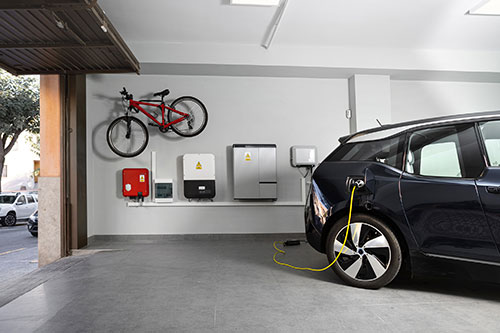
Electric cars have different fire safety risks than traditional cars. If you have an electric car or are in the market for one, make sure you know these safety tips.
- Hire a qualified electrician to inspect your home’s electrical system to make sure it can handle the charger.
- Install a circuit that’s only used to charge your car.
- Only use chargers that are nationally certified by a qualified testing laboratory.
- Follow the manufacturer’s guidelines to maintain your car and charging equipment.
- Install charging equipment away from combustible materials and high traffic areas.
- Never use a damaged or worn charger.
- Cover the charging outlet to keep water out.
- Keep children and pets away from the charging station.
- Don’t use an extension cord with the car charger.
Severe weather safety
Electric cars are generally safe to operate and charge during bad weather. But hurricanes and other severe weather can create hazards. Before storm clouds gather, make sure your electric car is ready to drive.
- Charge your battery if you think the power might go out.
- Don’t drive an electric car through a flooded street. The water can make the battery short circuit.
- If your car was submerged in water, get it professionally inspected to be sure it’s safe to use.
- During strong winds or lightning storms, don’t charge your car under trees or structures that could fall.
- Follow the manufacturer’s instructions to keep your battery working in extreme heat or cold.
In the event of an emergency
Electric cars are engineered to be safe. But it’s still good to know what to do if there’s a fire.
- If you see smoke or flames, exit the car immediately.
- Call 911 and report the fire.
- Stay away from the car while you wait for emergency responders.
- Don’t try to extinguish the flames with water or liquid.
- Don’t get back in the car until responders say it’s safe.
- Don’t try to drive your car again until it passes a professional inspection.
Pro tip: Water and electricity are a dangerous mix because water conducts electricity. Pouring water on an electric fire makes the flames bigger and puts you at risk of electrocution. If necessary, use a CO2 or dry chemical fire extinguisher on an electric vehicle.

Tips and help
Help and complaints: Get help with questions and issues with your insurance company or agent.
Insurance tips: Learn how to save on insurance, get the coverages you need, and protect yourself from fraud.
Videos: Get informed on a range of insurance topics.
Podcasts: Hear tips and get answers about insurance.