

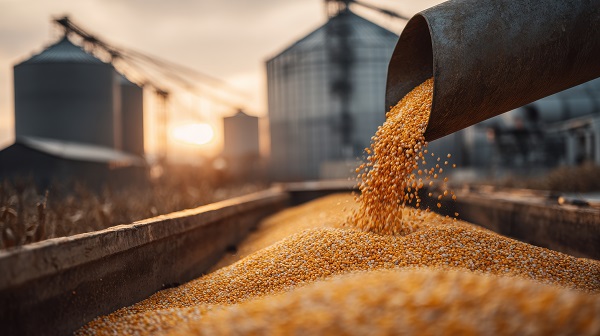
Grain dust may look harmless, but it is one of the leading causes of fires and explosions in grain elevators, feed mills, and food processing plants. Every year in the U.S., grain dust explosions injure and kill workers, shut down operations, and cause millions of dollars in damage. Even a thin layer of dust — about the thickness of a sheet of paper — can ignite and explode when stirred into the air.
These explosions often start in places where grain moves fast, such as bucket elevators, conveyors, dump pits, and transfer points. Heat from worn bearings, rubbing belts, static electricity, or unknown ignition sources can ignite dust clouds in seconds. Because ignition sources are often never found, the only reliable way to prevent explosions is to control dust and heat. Use these tips to help:
1 Clean dust before it builds up.
Remove grain dust from floors, ledges, beams, tunnels, and equipment every day, and more often during harvest or high-volume periods. Don’t wait until dust reaches 1/8 inch deep. Even a little dust can explode when it becomes airborne.
2 Install and maintain dust collection systems.
Use dust collectors, baghouses, or spot filters at grain transfer points, dump pits, and inside enclosed conveyors. Empty dust bins and change filter bags on the schedule recommended by the manufacturer to keep systems working properly.
3 Monitor equipment for heat problems.
Install bearing temperature sensors on elevator legs, conveyors, and drive shafts. Track readings weekly and compare them to past results. A rise of 10–20°F can signal a failing bearing that could start a fire.
4 Use belt-rub and misalignment sensors.
Add belt-rub detectors inside bucket elevator legs to spot belts that are rubbing against the casing. Friction from misaligned belts can heat metal fast enough to ignite dust.
5 Control ignition sources during work tasks.
Require hot work permits for welding, cutting, or grinding near grain handling areas. Shut down equipment and clean dust before starting. Use explosion-proof tools and electrical devices if dust remains.
6 Reduce static electricity and sparks.
Use anti-static belts and grounding on conveyors and equipment. Replace steel elevator cups with plastic ones when possible to reduce metal-to-metal sparks. Always use lockout/tagout procedures during service or maintenance to keep machinery from starting unexpectedly.
7 Provide proper respiratory protection.
When workers cannot avoid dust clouds, require NIOSH-approved respirators and manage their use under an OSHA Respiratory Protection Program. Train workers on correct fit, use, and maintenance to protect them from breathing fine grain dust.
8 Inspect and clean hard-to-reach areas.
Add quick-open cleanout doors to elevator leg boots and enclosed conveyors. Schedule routine cleanouts of pits, boots, and galleries where dust hides and builds up unnoticed.
9 Train workers to recognize danger signs.
Teach employees to watch for hot smells, unusual vibration, visible dust clouds, poor visibility, or rising temperatures. Make sure they know how to shut down equipment and report hazards right away.
Controlling grain dust and heat through good housekeeping, equipment monitoring, and worker training can stop small dust problems from becoming deadly explosions. For more information on grain dust safety, contact a DWC safety training specialist at SafetyTraining@tdi.texas.gov or download these free workplace safety publications: